Showing posts with label side effects. Show all posts

Thursday, July 2, 2015

FDA: 16 Illegal ear drops taken from the market.

FDA: Use Only Approved Prescription Ear Drops
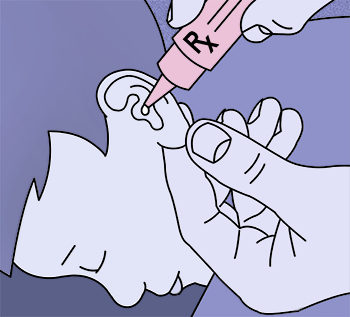
Applying prescription eardrops to small child (350 x 317)
FDA wants to make sure that the next time your child has ear pain requiring a prescription drug, the product has been approved by FDA as safe and effective.
That’s why FDA is notifying companies to stop marketing 16 unapproved prescription drugs labeled to relieve ear pain and swelling. These ear drops contain active ingredients such as benzocaine and hydrocortisone but have not been evaluated by FDA for safety, effectiveness and quality.
For years, health care providers have prescribed—and pharmacies have sold—these drug products whose labels did not disclose that they weren’t approved by FDA.
“If we don’t know whether these drugs have any benefits, we should not accept any possible risk of side effects,” says FDA’s Charles E. Lee, M.D.
Why FDA Is Taking This Action
FDA is taking this action under its Unapproved Drugs Initiative, which seeks to protect consumers from drugs that are not proven safe, effective and of high quality.
Using a product that has not been shown to be effective, especially when we have evidence of some safety concerns, is risky to the public health. FDA has received a few reports that these products had caused local allergic reactions of the ear, eye, face, neck and mouth. They can also cause itching, stinging, burning and irritation of the ear.
The quality of these drugs is uncertain. When FDA approves a drug, we review the manufacturing processes to ensure that the drugs are of consistent quality and purity, Lee says. That’s not the case with these unapproved ear drops.
What’s especially worrisome is that some of these products are prescribed for young children and infants, the population most susceptible to ear infections.
“It’s very basic—drugs that are used in children should be tested in children,” Lee says. “These products haven’t been shown to be effective in anyone, and there’s no proof that they work.”
FDA-Approved Alternatives Available
Parents and other consumers still will have many other treatment options.
FDA’s action affects only a small percentage of the drugs prescribed to treat pain and swelling that result from otitis media (middle ear infections), otitis externa (outer ear infections), and excess buildup of earwax. There are many FDA-approved drugs for middle and outer ear infections, plus other over-the-counter (OTC) products that are effective for prevention of swimmer’s ear and earwax buildup.
“We want consumers, doctors, health care providers and pharmacists to know about this problem and that they have better choices,” Lee says. “It’s not a difficult change. Use the products that we know are safe and don’t pose a danger to your health.”
What to Do Next
If you think you’re using unapproved prescription ear drops, contact your health care provider to discuss alternatives. FDA’s action will not affect legally marketed ear drops.
If you are experiencing side effects from unapproved products, consult your healthcare provider as soon as possible. FDA urges you to report that information online. You or your healthcare provider can also report an illness or injury related to the use of these products by calling 1-800-FDA-1088.

Tuesday, September 24, 2013

Antibacterial Drugs Poses Risk of Permanent Nerve Damage

Peripheral neuropathy (a form of nerve damage) has been associated with the use of antibacterial drugs, called fluoroquinolones, used to treat serious bacterial infections. These types of antibacterial drugs are used to treat infections acquired in hospitals or when other antibacterial drugs have failed. The potential damage may occur soon after these drugs are taken and may be permanent. FDA has required that the drug labels and medication guides for all these drugs be updated to better describe this serious side effect.
Risk: The risk of nerve damage occurs only with fluoroquinolones that are taken by mouth or by injection. Approved fluoroquinolone drugs include ciprofloxacin (Cipro), levofloxacin (Levaquin), moxifloxacin (Avelox), norfloxacin (Noroxin), ofloxacin (Floxin) and gemifloxacin (Factive). Nerve damage has a lot of different symptoms depending on which nerves are affected, but pain, numbness and muscle problems are common occurrences.
If Phage Therapy were available we would not have a problem with side effects. Unlike antibiotics phage therapy has no serious side effects.

Monday, September 23, 2013

Antibiotics Side Effects in Small Children and Babies


Antibiotics kill the friendly bacteria, called "flora", that live in your child's intestines. These friendly bacteria normally regulate the consistency of the stools and help with digestion. Eliminating these bacteria can cause the stools to become loose, watery, and more frequent. Expect this to happen to some degree with many antibiotics. It is not dangerous. Sometimes, however, it can be more severe (more than 6 – 8 stools a day). If you child has severe stomach cramps or vomiting, you should contact your doctor.
There can be two types of diaper rash with antibiotics: The first is contact diaper rash. This is simply from the loose stools irritating baby's bottom. The second is fungal diaper rash. This occurs because the absence of the normal intestinal flora allows yeast (fungus) to overgrow in the intestines. This yeast comes out in the stool and causes rash.If the rash is severe, with large blisters or skin sloughed off, you should stop the antibiotic and contact your doctor.
Oral Thrush  occurs because the antibiotics kill the normal mouth flora and allow yeast to overgrow inside the mouth. You can see white patches in the cheeks, on the tongue, under the lips, or on the gums.

Sometimes children may throw up a dose of the antibiotics. If this happens once or twice, don't worry. It's probably just an aversion to the taste Contact your doctor if this continues more than three times. You may need a different antibiotic.
There are two types of rashes that can occur during antibiotic use The first is Allergic rash due to allergy to the antibiotic. This can appear in several forms: Hives are raised, red or white welts that can appear anywhere on the body. They will usually pop up for one to several hours, then fade away, only to pop up again somewhere else. The usually itch. Another rash is pinpoint red or white bumps anywhere on the body.A third type is a Lacy type of red rash anywhere on the body that is not raised..
,You should call your doctor or go to an emergency room if your child has one or more of the following signs of severe allergic reaction wheezing or difficulty breathing (not just nasal congestion) Also difficulty swallowing due to tight throat or excessive drooling with difficulty swallowing Swollen joints is also a symptom of severe allergic reaction.
One of the reasons we should make phage therapy legal is that unlike antibiotics there are no serious side effects.