Showing posts with label bacteria. Show all posts
Showing posts with label bacteria. Show all posts
Wednesday, January 13, 2016

Wednesday, January 6, 2016
Pulmonary Research: Researchers develop new method for looking into the lungs ♦ Music therapy increases effectiveness of pulmonary rehabilitation
Researchers develop new method for looking into the lungs Researchers have succeeded in producing 3-D images showing oxygen and carbon dioxide transport in the lungs. The new method provides hope for better treatment of COPD and lung cancer.
Targeting frailty in pre-lung transplant patients might improve survival rates, patient outcomes Frailty can affect people of all ages and demographics. Defined simply as 'an increased vulnerability to adverse health outcomes,' frailty can affect a patient's chances of surviving a surgical procedure or needing a nursing home. A new study shows a definitive connection between frailty and survival after a lung transplant procedure.
Music therapy increases effectiveness of pulmonary rehabilitation for COPD patients Patients with Chronic Obstructive Pulmonary Disease (COPD) and other chronic respiratory disorders who received music therapy in conjunction with standard rehabilitation saw an improvement in symptoms, psychological well-being and quality of life compared to patients receiving rehabilitation alone.
Optical coherence tomography may speed detection of pneumonia-related bacteria in ICU patients Hospital medical staff may soon be able to more quickly visualize the presence of biofilm in endotracheal tubes, lessening the risk of ventilator-associated pneumonia, reports a new article. Researchers have demonstrated that demonstrated that optical coherence tomography can be used to determine the presence of biofilm, providing an alternative to methods requiring arduous sample preparation
|
Tuesday, January 5, 2016
Dog Food Recalled due to Listeria and Salmonella Contamination
Big Dog Natural of Brick, NJ is voluntary recalling a select production lot of Big Dog Natural raw dehydrated dog food Chicken Supreme potentially contaminated withSalmonella and Fish Supreme potentially contaminated with Listeria monocytogenes that was shipped in the week of 10/31/2015 to 11/13/2015 to online customers. Salmonella and Listeria monocytogenes can affect animals eating the products and there is risk to humans from handling contaminated pet products, especially if they have not thoroughly washed their hands after having contact with the products or any surfaces exposed to these products.
Healthy people infected with Salmonella and Listeria monocytogenes should monitor themselves for some or all of the following symptoms: nausea, vomiting, diarrhea or bloody diarrhea, abdominal cramping and fever. Rarely, Salmonellaand Listeria monocytogenes can result in more serious ailments, including arterial infections, endocarditis, arthritis, muscle pain, eye irritation, and urinary tract symptoms. Consumers exhibiting these signs after having contact with this product should contact their healthcare providers.
Pets with Salmonella and Listeria monocytogenes infections may be lethargic and have diarrhea or bloody diarrhea, fever, and vomiting. Some pets will have only decreased appetite, fever and abdominal pain. Infected but otherwise healthy pets can be carriers and infect other animals or humans. If your pet has consumed the recalled product and has these symptoms, please contact your veterinarian.
These products were sold directly to consumers through the company’s online website and in the US. The voluntarily recalled product include all weight volumes of the Big Dog Natural Chicken and Fish Supreme. No additional products are affected by this recall.
Big Dog Natural became aware of a potential issue after receiving notification from the FDA that an investigational sample of Chicken Supreme tested positive forSalmonella and an investigational sample of Fish Supreme for Listeria monocytogenes.
Consumers should discontinue feeding the affected product and monitor their pet's health, and contact their veterinarian if they have concerns. Consumers who purchased the product can obtain a full refund or exchange by returning the product in its original packaging.
Consumers with questions should contact Big Dog Natural https://www.bigdognatural.com or by calling 1-732-785-2600 (from 9am till 4pm EST).


Thursday, December 31, 2015
Pennsylvania Dairy Recalls Raw Milk
Agriculture Department Warns Consumers to Discard Raw Milk Purchased at Northeastern Pennsylvania Dairy Consumers who purchased raw milk from Gross Family Dairy in South Sterling, Wayne County, should discard it immediately due to the risk of Listeria.
The Pennsylvania Department of Agriculture today said raw milk collected during required routine sampling by a commercial laboratory on December 17, 2015, tested positive for the bacteria. No illnesses have been reported as a result of the potential contamination, but if people who consumed the raw milk become ill, they should consult their physician. Symptoms of Listeriosis can appear in four days or up to three weeks after ingestion.
Gross Family Dairy sells raw milk on their farm as well as in Stroudsburg, Monroe County, at Earthlight Natural Foods, the Stroudsburg Farmers Market and the Monroe Farmers Market. It also sells raw milk at Dutch’s Market in Greentown, Pike County; Everything Natural in Clarks Summit, Lackawanna County; and at Matt’s Farm Stand in Hamlin, Wayne County. The milk is sold in half gallons and pints, and was bottled December 20, with a sell-by date of December 30.
Agriculture officials have ordered the owner to stop sale of all raw milk until further notice. Two samples taken at least 24 hours apart must test negative for pathogens before the farm can resume raw milk sales.
Raw milk is milk that has not been pasteurized.
Pennsylvania law allows farms to sell raw milk, but requires the farms to be permitted and inspected by the Department of Agriculture to reduce health risks associated with unpasteurized products.
When an incident of contamination is discovered, the department’s milk sanitarian works with the raw milk permit holder to educate them on where the issue occurred and how to find a solution.
Symptoms of Listeriosis are fever, muscle aches, and sometimes gastrointestinal symptoms such as nausea or diarrhea. If infection spreads to the nervous system, symptoms such as headache, stiff neck, confusion, loss of balance or convulsions can occur. Infected pregnant women may experience only a mild, flu-like illness, but infections during pregnancy can lead to miscarriage or stillbirth.
Any person who consumed raw milk from Gross Family Dairy and has symptoms should consult their physician, visit their local health center or call 877-PA HEALTH (714-3258).
Saturday, December 19, 2015
Bacterial Research: Our water pipes crawl with millions of bacteria ♦ Bacteria engineered with synthetic circadian clocks ♦ Cooperating bacteria isolate cheaters
Cooperating bacteria isolate cheaters Bacteria, which reciprocally exchange amino acids, stabilize their partnership on two-dimensional surfaces and limit the access of non-cooperating bacteria to exchanged nutrients. Bacteria that do not contribute to metabolite production are excluded from the cooperative benefits. The researchers demonstrated that cooperative cross-feeders that grow on two-dimensional surfaces are protected from being exploited by non-cooperating bacteria.
Bacteria engineered with synthetic circadian clocks Many of the body's processes follow a natural daily rhythm or so-called circadian clock, so there are certain times of the day when a person is most alert, when the heart is most efficient, and when the body prefers sleep. Even bacteria have a circadian clock, and in a new study, researchers designed synthetic microbes to learn what drives this clock and how it might be manipulated.
Surprising diversity of TB strains found in Ethiopia Ethiopia is a hotspot for tuberculosis (TB) infection, ranking third among African countries and eighth in the world for TB burden according to the World Health Organization. But, say researchers who have analyzed the genomes of 66 TB strains, that's most likely not because TB was absent in the country before Europeans made contact. Rather, Europeans may have introduced a new wave of disease spread by more virulent TB strains.
Our water pipes crawl with millions of bacteria Our drinking water is to a large extent purified by millions of "good bacteria" found in water pipes and purification plants, Swedish researchers have found. So far, the knowledge about them has been practically non-existent, but this new research is about to change tha
Wednesday, December 16, 2015
Immunity Research: Why we do not constantly get ill despite viruses, bacteria ♦ Immune system affects gut bacteria evolution ♦ Stonefish venom may help combat transplant rejection T
Why we do not constantly get ill despite viruses, bacteria New research breaks with existing knowledge about how our immune system works. The new experiments have shown how the body mobilizes a hitherto unknown defense against viruses and bacteria. This also explains why we do not constantly get ill despite the viruses around us.
Immune system affects gut bacteria evolution Researchers have discovered that when the immune system of the host is compromised, the composition of the gut bacteria changes, and the pace and predictability of the process of adaptation of these bacteria are affected. This study suggests that the treatment of intestinal pathologies that result from impaired immune system, such as the inflammatory bowel disease, may require therapies based on personalized medicine.
Studying stonefish venom may help combat transplant rejection The X-ray crystal structure of the lethal factor present in stonefish venom has been solved by researchers. The discovery has provided unexpected insight into a crucial human immune response that is responsible for the failure of up to 30 percent of bone marrow transplant therapies for treating leukemia.
In pursuit of HIV vaccine, scientists shed light on antibody origins Scientists have tracked how a family of HIV-fighting antibodies develops over time. The research shows how a future vaccine might trigger the immune system to produce these antibodies more effectively.
Wednesday, December 9, 2015
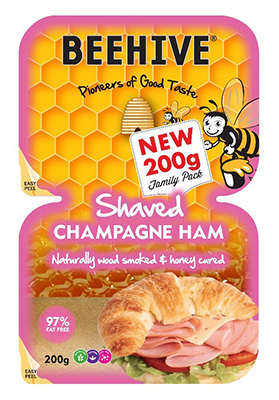
New Zealand: Beehive Shaved Champagne Ham Recalled due to Listeria
Recalled food products: Beehive Shaved Champagne Ham (200g Family Pack)
Beehive Shaved Champagne Ham (200g Family Pack)
Use by Date: 26 JAN 16
Batch: 335322
|
This product is sold in a 200g plastic pack.
|
The affected product has been sold in Countdown, New World, Pak n Save and Fresh Choice outlets throughout the North Island.
|
Premier Beehive NZ Limited are initiating a recall of their Beehive Shaved Champagne Ham (200g Family Pack, Use by Date: 26 JAN 2016, Batch 335322) after discovering that the product may contain Listeria.
|
 |
Wednesday, December 2, 2015
Health News:Nano-walkers take speedy leap forward with first rolling DNA-based motor ♦ Antibody for severe hemophilia a may reduce injections needed to prevent bleeding
Nano-walkers take speedy leap forward with first rolling DNA-based motor A rolling DNA-based motor that's 1,000 times faster than any other synthetic DNA motor has been devised by physical chemists, giving it potential for real-world applications, such as disease diagnostics.
Patient deaths do not increase during doctor strikes As doctors in England prepare for strike action next month, researchers show that, in high-income countries, 'patients do not come to serious harm during industrial action provided that provisions are made for emergency care.
Clinical workstations: An overlooked reservoir for deadly bacteria? Clinical workstations within hospital intensive care units (ICUs) may get overlooked during routine cleanings and could therefore harbor more dangerous bacteria than regularly cleaned objects in patient areas.
Antibody for severe hemophilia a may reduce injections needed to prevent bleeding An antibody engineered to prevent excessive bleeding in patients with severe hemophilia A may be safe and effective, and require fewer injections than existing options.
Tuesday, November 24, 2015
Gluten-free breaded chicken nugget recalled due to Staphylococcal enterotoxin
Murry’s, Inc., a Lebanon, Pa. establishment, is recalling approximately 20,232 pounds of gluten-free breaded chicken nugget product that tested positive for Staphylococcal enterotoxin, the U.S. Department of Agriculture’s Food Safety and Inspection Service (FSIS) announced today.
- 12-oz. boxes of “Bell & Evans Gluten Free Breaded Chicken Breast Nuggets” with a “Best By” date of March 25, 2016.
The product, bearing establishment number “P-516” inside the USDA mark of inspection, was shipped to an establishment for distribution nationwide.
The problem was discovered by the Colorado Department of Agriculture during a routine retail surveillance and sampling program, which is funded by the USDA at a Food Emergency Response Network lab. After being notified of the positive test result, FSIS conducted traceback activities.
Staphylococcal food poisoning is a gastrointestinal illness. It is caused by eating foods contaminated with toxin-producingStaphylococcus aureus.
Staphylococcus aureus is a common bacterium found on the skin and in the noses of healthy people and animals.Staphylococcus aureus can produce seven different toxins that are frequently responsible for food poisoning.
Staphylococcal enterotoxins are fast acting, sometimes causing illness in as little as 30 minutes. Thoroughly cooking product does not prevent illness, and symptoms usually develop within one to six hours after eating contaminated food. Patients typically experience several of the following: nausea, vomiting, stomach cramps, and diarrhea. The illness is usually mild and most patients recover after one to three days.
To prevent Staphylococcal contamination, keep kitchens and food-serving areas clean and sanitized. Keep hot foods hot (over 140 °F) and cold foods cold (40 °F or under). Make sure to wash hands and under fingernails vigorously with soap and water before handling and preparing food. Do not prepare food if you have an open sore or wound on your hands or if you have a nose or eye infection..
Consumers and media with questions about the recall can contact Murry’s Customer Service, at (800) 638-0215
Cancer Research:Bacteria from the sea join the fight against cancer,♦ Sensory illusion causes cells to self-destruct ♦ Long-term outcomes in childhood, young adult cancer survivors
Bacteria from the sea join the fight against cancer, infections Scientists are opening the gates of nature’s secret medicine factories, with the aim of giving us new weapons against cancers and resistant bacteria. They are developing technology that will make it easier to find – and exploit – these hidden and unutilised medicine factories in bacteria that exist in the natural environment. The hunt will concentrate on marine bacteria.
Sensory illusion causes cells to self-destruct Magic tricks work because they take advantage of the brain's sensory assumptions, tricking audiences into seeing phantoms or overlooking sleights of hand. Now a team of researchers has discovered that even brainless single-celled yeast have sensory biases that can be hacked by a carefully engineered illusion, a finding that could be used to develop new approaches to fighting diseases such as cancer.
Long-term outcomes in childhood, young adult cancer survivors Recent work has focused on long-term outcomes in survivors of childhood or young adult cancer. Among other findings, researchers found that cancer survivors had an overall increased relative risk for hospitalization compared with those in the general population. Cancer survivors at highest risk for hospitalizations were leukemia, brain cancer and Hodgkin lymphoma survivors
Better catalysts will remove carcinogenic chlorine compounds from water Two new catalysts have been developed as effective treatment of tap water. With these catalysts, researchers intend to eliminate harmful chlorine compounds
Saturday, November 21, 2015
Health News: E. COLI can transfer antibiotic resistance to other bacteria ♦ An easy pill to swallow ♦ Erectile dysfunction drug may benefit patients at risk for diabetes
E. COLI can transfer antibiotic resistance to other bacteria Scientists have discovered a gene in E. coli that makes it resistant to a class of “last-resort” antibiotics known as polymyxins. The gene can also transfer resistance to other epidemic pathogens such as K. pneumoniae and Pseudomonas aeruginosa. According to research published in The Lancet Infectious Diseases, the mcr-1 gene is widespread in Enterobacteriaceae samples from pigs
New study on patterns of electronic cigarette use among adults in the US Adding to a growing body of research on patterns of e-cigarette use, researchers have found evidence that among US adults, some recent cigarette quitters may have done so with the assistance of electronic cigarettes
Erectile dysfunction drug may benefit patients at risk for diabetes The drug sildenafil, sold as Viagra and other brand names, improves insulin sensitivity in people at risk for diabetes, researchers report.
An easy pill to swallow An insulin pill being developed by researchers may in the near future give another blood sugar management option to those who suffer from diabetes. The novel drug delivery technology may also apply to a wide spectrum of other therapies.
Food Poisoning: All you need to know about Campylobacter jejuni
Campylobacter jejuni (C. jejuni) bacteria are found naturally in the intestines of poultry, cattle, swine, rodents, wild birds and household pets like cats and dogs. The bacteria have also been found in untreated surface water (caused by fecal matter in the environment) and manure.
C. jejuni is the most common type of campylobacter bacteria involved in human illness. People who eat food contaminated by C. jejuni bacteria can become ill with campylobacteriosis. Like other foodborne illnesses, the symptoms of campylobacteriosis can feel like stomach flu, but they can also develop into serious illness with long-lasting effects.
How do people get sick?
Both animals and people can be carriers of C. jejuni bacteria. They can then spread the bacteria to foods, surfaces, other animals or people. Food and beverages can become contaminated when handled by an infected person, or from cross-contamination when raw foods or pets are handled improperly.
The most common way of getting campylobacteriosis is by eating contaminated foods. Common sources of C. jejuni bacteria include:
- raw or undercooked meat like poultry, beef, pork and lamb
- raw milk and other raw dairy products
- raw vegetables
- shellfish
- untreated drinking water
Exposure to C. jejuni bacteria is also associated with the development of:
- Guillain-Barré syndrome (an autoimmune disorder affecting the nervous system)
- Reactive arthritis (a condition that develops in response to an infection in another part of the body and can lend to chronic arthritis)
- Irritable bowel syndrome (IBS)
- Infections of specific parts of the body (bloodstream, septicemia, appendix, gall bladder, central nervous system, colon, heart, urinary tract, abdominal carity)
What are the symptoms and treatment?
Intestinal illness can be caused by viruses, bacteria or parasites, and usually involves vomiting and diarrhea. People often call it the flu, though it is in no way related to the influenza virus, which causes respiratory illness.
People infected with C. jejuni bacteria can experience a wide range of symptoms. Some do not get sick at all, though they can still spread the infection to others. Others feel as though they have a bad case of the flu. A rare few become seriously ill and must be hospitalized.
Most people with campylobacteriosis develop the following symptoms two to five days after being infected (though symptoms can appear as late as one month after infection):
- diarrhea (often bloody or watery)
- abdominal pain
- fever
- nausea
- vomiting (sometimes)
Fast fact
Campylobacteriosis affects children under five and young adults (15-29) more frequently than other age groups.
The illness can last up to ten days, and most people recover without treatment. As with any disease causing diarrhea or vomiting, people infected should drink plenty of liquids to replace lost body fluids and prevent dehydration. Although anyone can get campylobacteriosis, pregnant women, people with weakened immune systems, young children and older adults are most at risk for developing serious complications.
While long-term consequences are rare, a small number of people may get the following illnesses:
- septicemia (an infection of the bloodstream)
- sudden gall bladder inflammation (which can feel like a sharp abdominal pain)
- Guillain-Barré syndrome (an autoimmune disorder affecting the nervous system)
- meningitis (inflammation of the brain and spinal cord)
- Reiter's syndrome (a condition that develops in response to an infection in another part of the body and can lead to chronic arthritis)
- chronic colitis (inflammation of the colon)
How do I avoid getting sick?
Food safety tip
When cooking a chicken or turkey, it is safest to cook the stuffing in a separate dish, to prevent cross-contamination and undercooking. For more on cooking poultry safely, see Poultry Safety.
Foods contaminated with C. jejuni look, smell and taste normal. The good news is, C. jejuni and many other harmful bacteria can be killed by cooking food properly.
These tips will help protect you and your family from C. jejuni:
- Poultry and meat should be well cooked, not pink in the middle. If you are served undercooked food in a restaurant, send it back.
- Buy shellfish from reputable suppliers.
- Drink water from a safe (treated or boiled) water supply.
- Only buy clean and uncracked eggs. Store eggs in their original carton (so you can check the "best before" date) and place them in the coldest section of the fridge, not the door.
- Eat and drink only pasteurized juice, cider, milk and milk products. Mother's milk is the safest food for infants.
- When buying and storing groceries, keep raw meats separate from fruits, vegetables, cooked foods and ready-to-eat foods.
- Wash your hands before handling any food. Be sure to wash your hands, cutting boards, counters, knives and other utensils after preparing raw foods.
- Wash raw fruits and vegetables thoroughly with clean, safe running water before you prepare and eat them. Use a brush to scrub produce with firm or rough surfaces, like oranges, cantaloupes, potatoes and carrots.
- Never place cooked food on the unwashed plate that held raw meat, poultry or fish. Wash thermometers in between testing.
- Keep pets away from food storage and preparation areas. Wash your hands well with soap and water after handling pet treats, pet food and pet toys, or after playing with or cleaning up after your pet.
- If you have been diagnosed with campylobacteriosis or any other gastrointestinal illness, do not prepare food or pour water for other people.
- If you are diagnosed with campylobacteriosis, be sure that you or your doctor tells the local Public Health Department. If many cases happen at the same time, it may mean that a restaurant or a particular food item has a problem that needs to be corrected.
Also, these safe food practices will reduce your risk of contracting campylobacteriosis and other foodborne illnesses.
Food safety tip
Pasteurization destroys C. jejuni and other harmful bacteria. Try using pasteurized egg products when preparing foods that traditionally contain raw eggs, like egg nog, mayonnaise, salad dressing, ice cream and mousses.
Thursday, November 19, 2015
Health News: Alarming New ‘Superbug’ Gene found in animals and people ♦ DOJ: Consumers must remain on guard about supplement risks ♦ Electronic cigarettes need restrictions
Alarming New ‘Superbug’ Gene found in animals and people in China A new gene that makes bacteria highly resistant to a last-resort class of antibiotics has been found in people and pigs in China - including in samples of bacteria with epidemic potential, researchers said on Wednesday.The discovery was described as "alarming" by scientists, who called for urgent restrictions on the use of polymyxins - a class of antibiotics
DOJ: Consumers must remain on guard about supplement risks Putting out too much information is rarely a problem for the government, but most reports about Tuesday’s announcement by federal agencies of their new and ongoing “sweep” against unlawful dietary supplements overlooked some important consumer information. In addition to the criminal and civil actions made public Nov. 17, 2015, by the U.S. Department of Justice
New microscopy technology may help surgeons save more lives Biomedical engineers and neurosurgeons have developed an augmented microscopy technology to help surgeons operate with greater precision and reduced risk of harming patients.
Teens and parents agree: Electronic cigarettes need restrictions More than three fourths of both teens and adults say e-cigarettes should be restricted in public spaces, come with health warnings and be taxed like conventional cigarettes.
Subscribe to:
Posts (Atom)