Showing posts with label Immune System. Show all posts

Saturday, December 19, 2015

Health Research: Bone drug protects stem cells from aging ♦ Men also recommend getting help for depression ♦ First flu exposure imprints itself on immune system

First flu exposure imprints itself on immune system A person's first infection with the influenza virus likely stimulates the production of key antibodies that then shape later immune responses to different seasonal influenza strains. Now researchers provide insights on how exposure to the flu impacts the immune system, which could be valuable for designing more effective and longer-lasting vaccines.
Men also recommend getting help for depression Participants in a national survey read a scenario describing someone who had depressed symptoms. Men recommended talking to someone about their problems just as much as women did.
Binge drinking with chronic alcohol use more destructive than previously thought Chronic alcohol use, when combined with repeated binge drinking, causes more damage to the liver than previously thought.
Bone drug protects stem cells from aging An existing drug used to treat osteoporosis also protects stem cells from aging, scientists have found. These researchers now want to understand if the drug can be used to revert ageing in stem cells

Wednesday, December 16, 2015

Immunity Research: Why we do not constantly get ill despite viruses, bacteria ♦ Immune system affects gut bacteria evolution ♦ Stonefish venom may help combat transplant rejection T

Why we do not constantly get ill despite viruses, bacteria New research breaks with existing knowledge about how our immune system works. The new experiments have shown how the body mobilizes a hitherto unknown defense against viruses and bacteria. This also explains why we do not constantly get ill despite the viruses around us.
Immune system affects gut bacteria evolution Researchers have discovered that when the immune system of the host is compromised, the composition of the gut bacteria changes, and the pace and predictability of the process of adaptation of these bacteria are affected. This study suggests that the treatment of intestinal pathologies that result from impaired immune system, such as the inflammatory bowel disease, may require therapies based on personalized medicine.
Studying stonefish venom may help combat transplant rejection The X-ray crystal structure of the lethal factor present in stonefish venom has been solved by researchers. The discovery has provided unexpected insight into a crucial human immune response that is responsible for the failure of up to 30 percent of bone marrow transplant therapies for treating leukemia.
In pursuit of HIV vaccine, scientists shed light on antibody origins Scientists have tracked how a family of HIV-fighting antibodies develops over time. The research shows how a future vaccine might trigger the immune system to produce these antibodies more effectively.

Wednesday, November 4, 2015

Health Research: Therapy could help chronic pain sufferers get a good night’s sleep ♦ Sugar-coated nanoworms not for breakfast in the human immune system N


Forget counting sheep - therapy could help chronic pain sufferers get a good night’s sleep Research indicates that chronic pain sufferers could benefit from therapy to help them sleep better.
Lack of 'sleep' may zap cell growth, brain activity, study in plants suggests Lack of adequate sleep can do more than just make you tired. It can short-circuit your system and interfere with a fundamental cellular process that drives physical growth, physiological adaptation and even brain activity.
Researchers reduce inflammation in human cells, a major cause of frailty Chronic inflammation, closely associated with frailty and age-related diseases, is a hallmark of aging. Now researchers have discovered that inhibiting key enzyme pathways reduces inflammation in human cells in culture dishes and decreases inflammation and frailty in aged mice.
Sugar-coated nanoworms not for breakfast in the human immune system Nanoparticles could aid diagnosis and treatment of diseases including cancer -- if the immune system would leave them alone. A new study shows that inducing cross links on nanoparticle surface sugars lets them escape mouse immune system and identifies remaining culprit for human immune recognition of nanoparticles.

Sunday, October 11, 2015

Immune Research: Sleep may strengthen long-term memories in the immune system ♦ How normally protective immune responses kill neurons ♦ Connecting Alzheimer's disease, immune system

Tick spit protein may trigger allergic reactions Ticks have had millions of years to figure out how to bite without triggering their victims' immune response. Proteins in the arachnids' spit evolved to manipulate immune cells so that the bloodsuckers can suck blood and transmit pathogens in peace. But these measures may not always have the desired effect when ticks bite humans, leading to severe allergic reactions, argue infectious disease specialists.
Connecting Alzheimer's disease, immune system Researchers investigate how genetic risk factors for Alzheimer's disease may influence a key type of immune cell. Their results lay the groundwork for designing better therapeutic strategies and better prediction tools for risk of developing Alzheimer's disease.
Sleep may strengthen long-term memories in the immune system More than a century ago, scientists demonstrated that sleep supports the retention of memories of facts and events. Later studies have shown that slow-wave sleep, often referred to as deep sleep, is important for transforming fragile, recently formed memories into stable, long-term memories. Now, in a new article, researchers propose that deep sleep may also strengthen immunological memories of previously encountered pathogens.
Scientists identify how normally protective immune responses kill neurons Scientists have discovered why certain immune responses, which typically help cells recognize and fight viral and bacterial infections, can sometimes be harmful to the brain. Many brain disorders involve the death of neurons, or nerve cells, but how these neurons die is not well understood. A new study describes how the activation of normally protective immune responses causes nerve cells to die and identifies the protein responsible, providing a potential target for therapeutic intervention.
i

Wednesday, September 9, 2015

Health News: 38 SICKENED IN UK E. COLI OUTBREAK ♦ Yeast infection fungus to evade immune system ♦ Insight on fundamental process of DNA repair

38 SICKENED IN UK E. COLI OUTBREAK Health officials in England are tracking an outbreak of E. coli O157 linked to prepackaged salad that has sickened 38 people. The Verocytotoxigenic E. coli (VTEC) cases were first identified in early August 2015 by whole genome sequencing. As of Sept. 3, the cluster includes 38 confirmed cases, with one additional probable case and four possible cases for... .
Did grandmas make people pair up? If you are in a special relationship with another person, thank grandma -- not just yours, but all grandmothers since humans evolved. The grandma hypothesis holds that the key to why moms can have next babies sooner is not because of dad bringing home the bacon but because of grandma helping feed the weaned children, the authors explain.
Clever adaptation' allows yeast infection fungus to evade immune system attack Researchers say they have discovered a new way that the most prevalent disease-causing fungus can thwart immune system attacks, adding that the fungus responsible for vaginal yeast infections and the mouth infection thrush, is able to cause a deadly infection once it enters the bloodstream.
Quit-smoking drug not linked to heart disease or depression A highly effective drug that helps smokers to quit does not increase their risk of heart attack and depression as was previously thought, research suggests. Researchers who carried out the study say doctors can prescribe varenicline - also known as Champix™ or ChantixTM - more widely to help people stop smoking.
Insight on fundamental process of DNA repair Scientists have identified a new component of the molecular machinery a cell uses to repair damaged DNA. The discovery adds important knowledge about a fundamental life process that protects from diseases such as cance

Wednesday, August 5, 2015

Women's Health: Drinking at conception boosts diabetes risk for baby ♦ Benefits, risks of antidepressants during pregnancy ♦ Depressed females have overactive glutamate receptor gene

Depressed females have overactive glutamate receptor gene Numerous genes that regulate the activity of a neurotransmitter in the brain have been found to be abundant in brain tissue of depressed females. This could be an underlying cause of the higher incidence of suicide among women.
Women's immune system genes operate differently from men's A new technology for studying the human body's vast system for toggling genes on and off reveals that genes associated with the immune system toggle more frequently, and those same genes operate differently in women and men.
Drinking at conception boosts diabetes risk for baby, Babies conceived by women who drink alcohol around the time of conception face dramatically increased risks of type 2 diabetes and obesity in early middle age, a study has found.

Benefits, risks of antidepressants during pregnancy Treating maternal psychiatric disorder with commonly used antidepressants is associated with a lower risk of certain pregnancy complications including preterm birth and delivery by Caesarean section, according to researchers. However, the medications -- selective serotonin reuptake inhibitors, or SSRIs -- resulted in an increased risk of neonatal problems.

Tuesday, July 21, 2015

Cancer Research:'Pill on a string' could help spot early signs of cancer ♦ Immune system linked with cancer survival rates ♦ Precision medicine for most common type of lymphoma

Life-saving breast cancer drugs going untaken in Appalachia Nearly one-third of breast cancer survivors in Appalachia are not taking the critical, potentially life-saving follow-up treatment -- despite having insurance that would pay for
'Pill on a string' could help spot early signs of cancer of the gullet A 'pill on a string' could help doctors detect esophageal cancer -- cancer of the gullet -- at an early stage, helping them overcome the problem of wide variation between biopsies.
Gene expression, immune system linked with cancer survival rates Physicians have long sought a way to accurately predict cancer patients' survival outcomes by looking at biological details of the specific cancers they have. But despite concerted efforts, no such clinical crystal ball exists for the majority of cancers. Now researchers have compiled a database that integrates gene expression patterns of 39 types of cancer from nearly 18,000 patients with data about how long those patients lived.
T-cell receptor therapy achieves encouraging clinical responses in multiple myeloma Results from a clinical trial investigating a new T cell receptor therapy that uses a person's own immune system to recognize and destroy cancer cells demonstrated a clinical response in 80 percent of multiple myeloma patients with advanced disease after undergoing autologous stem cell transplants.

Study shows promise of precision medicine for most common type of lymphoma Patients with a specific molecular sub type of diffuse large B-cell lymphoma are more likely to respond to the drug ibrutinib (Imbruvica) than patients with another molecular subtype of the disease.

Saturday, May 30, 2015

Immune Research: What causes immune cell migration to wounds ♦ Viral variants helps hepatitis C survive immune system attacks ♦ Some immune cells change to prolong inflammation

How the immune system controls the human biological clock in times of infection An important link between the human body clock and the immune system has relevance for better understanding inflammatory and infectious diseases. Researchers report how a critical white blood cell called the macrophage, when exposed to bacteria, makes the biological clock inside the macrophage stop, allowing it to become inflamed.
Dental researchers find some immune cells change to prolong inflammation One of the mysteries of how a small group of immune cells work has been unraveled by researchers: some inflammation-fighting immune cells may actually convert into cells that trigger disease.
Cooperation among viral variants helps hepatitis C survive immune system attacks Warring armies use a variety of tactics, including use of a decoy force that occupies the defenders while an unseen force launches a separate attack that the defenders fail to notice. A new study suggests that the Hepatitis C virus may employ similar tactics to distract the body's natural defenses.
Scientists discover key to what causes immune cell migration to wounds Immune cells play an important role in the upkeep and repair of our bodies, helping us to defend against infection and disease. Until now, how these cells detect a wounded or damaged site has largely remained a mystery. New research has identified the triggers which lead these cells to react and respond in cell repair.

Tuesday, May 19, 2015

Prenatal Research: Prenatal exercise lowers risks of C-sections ♦ Sunshine alone not enough for vitamin D ♦ Maternal obesity compromises baby's' immune system


Prenatal exercise lowers risks of C-sections, higher birth weights Pregnant women who exercise can significantly lower the risk of undergoing cesarean sections and giving birth to large babies. Prenatal exercise has been suggested to be a means to prevent childhood obesity through a "normalization" in birth weight
Sunshine alone not enough for vitamin D during pregnancy Despite high levels of sunshine, low levels of vitamin D during pregnancy are common in Mediterranean women. This finding should help lower the prevalence of early childhood diseases associated with Vitamin D deficiency such as preeclampsia, gestational diabetes, disorders in bone formation, higher risk of emergency caesarean delivery and premature birth.
Maternal obesity compromises baby's' immune system at time of birth Maternal obesity is linked to several adverse health outcomes for the infant that can persist into adulthood. But when does the immune system of babies born to obese mothers get compromised? Very early in the baby's life, according to a study. The research team analyzed umbilical cord blood samples of infants born to lean, overweight and obese mothers, and found that pre-pregnancy maternal weight has a significant impact on the neonate's immune system.
Changes in placentas protective ability during pregnancy linked to transporter proteins An important function of the human placenta is to protect the fetus from detrimental substances in maternal blood, such as glucocorticoids or toxins. Placental membrane-bound transporter proteins, known as multidrug resistance proteins, protect the fetus by returning unwanted materials to the maternal circulation. A study now reports that bacterial and viral infections differentially influence these transporter proteins in early and late pregnancy, suggesting potential mechanisms underlying infection-related pregnancy complications such as preterm birth and fetal brain damage.
.

Saturday, May 16, 2015

Health Research: Educating the immune system to prevent allergies ♦ New form of inherited blindness discovered ♦ Sound waves diagnosing minor fractures

Findings reveal clues to functioning of mysterious 'mimivirus' Researchers have discovered the structure of a key protein on the surface of an unusually large virus called the mimivirus, aiding efforts to determine its hosts and unknown functions. The mimivirus was initially thought to be a bacterium because it is much larger than most viruses
Computerized vital signs analysis may help prevent trauma patients from bleeding to death A research team has successfully field tested a system that analyzed patient vital signs during emergency transport in a fully automated fashion, finding that such a system could diagnose those with life-threatening bleeding before they arrive at the hospital, potentially saving lives.
Sound waves could be viable alternative in diagnosing minor fractures A study has been conducted of the usefulness and efficiency of portable ultrasound in detecting the presence of minor fractures in patients presenting to a minor injuries unit. Analysis showed that 85% of patients with a fracture confirmed by X-ray had injuries detected through ultrasonography. The authors say emergency clinicians could rule in fractures by studying the ultrasound images
New form of inherited blindness discovered Scientists have discovered that mutations in the gene DRAM2 cause a new type of late-onset inherited blindness. The research describes individuals from five families with a variety of DRAM2 mutations, all of which lead to loss of central vision beginning at age 30-40.

Educating the immune system to prevent allergies With the arrival of spring, millions of people have begun their annual ritual of sneezing and wheezing due to seasonal allergies. A research team is bringing them hope with a potential vaccine that nudges the immune response away from developing allergies. The findings have major clinical implications since allergies and asthma often start in childhood and for which there is presently no cure.

Friday, May 15, 2015

Immune System Research: Immune cells can travel for help ♦ Activity of thousands of genes differs from winter to summer ♦ Treatments that stop immune system attacks

Discovery provides insight into development of autoimmunity The action of a gene that regulates the education of T cells has been uncovered by researchers, providing insight into how and why the immune system begins mistaking the body's own tissues for targets.
Finding should enhance treatments that stop immune system attacks An important discovery has been made about an immune cell that is already being used in immunotherapy to treat diseases such as type I diabetes. The work details how regulatory T cells can cure inflammatory diseases,
Seasonal immunity: Activity of thousands of genes differs from winter to summer  Our immune systems vary with the seasons, according to a study that could help explain why certain conditions such as heart disease and rheumatoid arthritis are aggravated in winter whilst people tend to be healthier in the summer. The study shows that the activity of almost a quarter of our genes (5,136 out of 22,822 genes tested) differs according to the time of year, with some more active in winter and others more active in summer. This seasonality also affects our immune cells and the composition of our blood and adipose tissue (fat).
Frontline immune cells can travel for help  'Neutrophils' cells that form the bulk of our fast-acting 'innate' immune system behave differently, depending on whether an injury is infected or not, new research shows.

Tuesday, April 21, 2015

Health Research: Scientists arrange protein-nanoparticle marriage ♦ Ways to avoid catching diseases from pets ♦ Protein pumps that allow bacteria to resist drugs

Protein pumps that allow bacteria to resist drugs The structure of two closely related protein pumps that allow bacteria to resist certain medications The studies reveal that when the bacteria detect the antibiotic sulfonamide, "they turn on these transporters and pump it out, assuring survival of the cell,"
New pathway reveals how immune system is regulated, An important new way in which our immune systems are regulated has been uncovered, giving hope that understanding it will help tackle the debilitating effects of type 1 diabetes, rheumatoid arthritis and other serious diseases.
Fake malaria drugs not as common as previously reported An analysis of antimalarial drug quality no evidence of fake medicines. Previous reports had suggested that up to one third of antimalarials could be fake
Happily ever after: Scientists arrange protein-nanoparticle marriage Researchers have discovered a way to easily and effectively fasten proteins to nanoparticles by simply mixing them together. The biotechnology is in its infancy. But it already has shown promise for developing an HIV vaccine and as a way to target cancer cells

Ways to avoid catching diseases from pets Pets can pass diseases to humans, especially when a pet owner's immune system is compromised. Here, veterinarians outline ways for families to avoid disease transmission by choosing the right type of pet--or making small changes in the ways they enjoy the pets they already have.

Wednesday, April 15, 2015

Cancer Research: Gold intensifies cancer-killing radiation ♦ Recruiting the entire immune system to attack cancer ♦ New biomarker for uterine cancer discovered

New biomarker for uterine cancer discovered A new biomarker has been discovered that makes it possible to identify women with uterine cancer who have a high risk of recurrence. Endometrial cancer of the uterus is the most common form of gynecologic cancer in Europe and North America. The treatment primarily consists of removing the uterus and in some cases offering chemotherapy if the risk of recurrence is deemed high.
Researchers have demonstrated what could become a more precise method for targeting cancer cells for radiation. The method would use cancer-seeking peptides to ferry nanoparticles of gold to the site. The gold then helps focus radiation on the cancer cells.
A new method has been developed to identify a previously unknown structure in a protein called MDMX. MDMX is a crucial regulatory protein that controls p53 -- one of the most commonly mutated genes in cancer.
Recruiting the entire immune system to attack cancer Stimulating both major branches of the immune system halts tumor growth more effectively, new research shows. Orchestrating a successful immune attack against tumors has proven difficult so far, but the new study suggests that such therapies could be improved by simultaneously activating both arms of the immune system. Until now, most researchers have focused on one of two strategies: attacking tumors with antibodies, which activate the innate immune system, or stimulating T cells, which form the backbone of the adaptive immune system.

Thursday, April 9, 2015

Health News: Clinic May Have infected Patients with Hepatitis and HIV ♦ Gut immune system effective in treating diabetes ♦ Alternating antibiotics could make resistant bacteria beatable

Clinic May Have infected Patients with Hepatitis and HIV. A Santa Barbara County clinic was closed and patients are being identified and contacted by public health officials who are investigating whether clients of the medical office were infected with Hepatitis B, Hepatitis C, or HIV after determining the clinic was not following standard precautions to protect patients.
Small portions of fast food just as effective for recovery after work-out as sports supplementsA new study found there was no significant difference in glycogen recovery when cyclists ate fast food after a workout versus when they ingested traditional sports supplements
Gut immune system identified as a new and effective target in treating diabetes A commonly used drug to treat inflammatory bowel disease, such as Crohn's disease, has been shown to lower blood sugar levels in obese mice, potentially identifying the gut immune system as a new and effective target in treating diabetes in humans
Multidrug-resistant shigellosis spreading in the United States International travelers are bringing a multidrug-resistant intestinal illness to the United States and spreading it to others who have not traveled, according to a new report. Shigella sonnei bacteria resistant to the antibiotic ciprofloxacin sickened 243 people in 32 states and Puerto Rico. The drug-resistant illness was being repeatedly introduced as ill travelers returned.
Alternating antibiotics could make resistant bacteria beatable Pioneering new research has unlocked a new technique to help combat the rise of antibiotic-resistant bacteria, that cause debilitating and often life-threatening human illness.

Friday, April 3, 2015

Cancer Research:GMO pink pineapples help prevent cancer ♦ Anticancer drug can spur immune system ♦ Combining magnetism and light to fight cancer

GMO pink pineapples could help prevent cancer Cancer-fighting pink pineapples, heart-healthy purple tomatoes and less fatty vegetable oils may someday be on grocery shelves alongside more traditional products. These genetically engineered foods could receive government approval in the coming years.
Old cancer drug could have new use in fighting cancer  An old cancer drug can not only kill cancer cells, but also works to change how certain cancer cells function, weakening those cells so they can be killed by other drugs.
Anticancer drug can spur immune system to fight infection Imatinib, an example of a 'targeted therapy' against cancer, or related drugs might be tools to fight a variety of infections, scientists say. Imatinib, is an example of a "targeted therapy" against certain types of cancer. It blocks tyrosine kinase enzymes, which are dysregulated in cancers such as chronic myelogenous leukemia and gastrointestinal stromal tumors.
Combining magnetism and light to fight cancer By combining, in a liposome, magnetic nanoparticles and photosensitizers that are simultaneously and remotely activated by external physical stimuli (a magnetic field and light), scientists obtained total tumor regression in mice. Non-toxic when they are not activated, such therapies can also achieve a reduction in adverse effects.
Expanding on liquid biopsies with exosomes A new type of liquid biopsy for solid tumors based on analyzing exosomes from the blood is being tested by clinicians. "The term 'liquid biopsy' describes the fact that a simple blood sample can contain many tumor-derived molecules and even tumor cells, enabling molecular analyses similar to those possible in tumor tissue samples,"

Thursday, April 2, 2015

Health Research: Deadly fungus evades the immune system ♦ Why skin is resistant to tearing ♦ Bionic hand, powered by his thoughts

How a deadly fungus evades the immune system New research has scientists rethinking how a lethal fungus grows and kills immune cells. The study hints at a new approach to therapy for Candida albicans, one of the most common causes of bloodstream infections.
Protein may improve liver regeneration: GF21 boosts regenerative ability in mice carrying human PPAR alpha protein Researchers have illuminated an important distinction between mice and humans: how human livers heal. The difference centers on a protein called PPAR alpha which activates liver regeneration.
Skin tough: Why skin is resistant to tearing Researchers have recorded the first direct observations of the micro-scale mechanisms behind the ability of skin to resist tearing. The results could be applied to the improvement of artificial skin, or to the development of thin film polymers for flexible electronics.
Non-invasive technique allows amputee to use bionic hand, powered by his thoughts Medical researchers have created an algorithm that allowed a man to grasp a bottle and other objects with a prosthetic hand, powered only by his thoughts.
Intestinal bacteria can be used to classify effects of different diseases It is possible to quantify and classify the effects of different diseases on the activity of intestinal bacteria, new research demonstrates for the first time. Human intestinal flora, known as microbiota, can be considered as an additional organ in the body. It consists of millions of bacteria that interact with each other and with the body, thus affecting its functioning and health. It is known that many intestinal disorders such as Crohn's disease and ulcerative colitis, and diseases such as obesity, cancer and autoimmune diseases can cause changes in the composition of gut bacteria.

Health News:FDA withdraw approval for arsenic based drugs ♦ T-cell slow down run-away immune system ♦ Exercise outweighs harmful effects of air pollution

FDA to withdraw approval for arsenic based drugs used in poultry The U.S. Food and Drug Administration (FDA) announced Wednesday that it has received a letter of commitment from Zoetis Animal Health that, by this coming fall, the company will suspend the sale of Histostat (nitarsone) and formally request that FDA withdrew approval for the drug by the end of the year. Nitarsone is the only arsenic-based animal.
Newly enlisted T-cell 'policemen' can slow down run-away immune system Researchers have discovered that potentially aggressive T-cells that might lead to autoimmune disease can instead be enlisted to help "police" over-active immune responses, via the molecule CD5. This new breakthrough may open the door to design better treatments for autoimmune diseases
Exercise can outweigh harmful effects of air pollution The beneficial effects of exercise are more important for our health than the negative effects of air pollution, in relation to the risk of premature mortality.
Antibiotic resistance risk for coastal water users in UK Recreational users of coastal waters around the United Kingdom, such as swimmers and surfers, are at risk of exposure to antibiotic resistant bacteria, according to new research published this week.
Major hand hygiene problems in operating rooms observed 2,393 opportunities for hand disinfection and/or aseptic techniques were identified by researchers in a recent study. Doctors and nurses missed 90% of the opportunities, they report.

Monday, March 30, 2015

Boosting Immunotherapy Against Brain Cancer

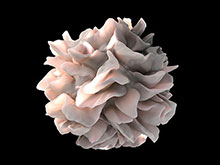
Cancer immunotherapies harness the potential of the immune system to seek and destroy cancers. They first came into use in the 1990s, and the field is now quickly advancing. One innovative approach being developed is to use dendritic cells. These are a type of immune cell that captures microorganisms and processes their proteins to present to other immune cells and prompt a response.
Dendritic cell.
An artist’s representation of the surface of a human dendritic cell. Image courtesy of NCI.
Dendritic cells have recently been used for immunotherapy to target a variety of tumor types. Dendritic cells are isolated from the patient’s blood, engineered to express antigens from the tumor, and then injected back into the patient as a vaccine. Once in the patient, the engineered dendritic cells migrate to the lymph node and activate T cells to fight the tumor and create an immune memory to prevent the cancer from coming back.
Researchers led by Drs. Duane A. Mitchell and John H. Sampson at Duke University Medical Center tested whether a strategy to increase dendritic cell migration to lymph nodes would improve the effects of a dendritic cell vaccine against glioblastoma multiforme, the most common form of malignant brain cancer in adults. The vaccine targeted an antigen from cytomegalovirus. The role of this virus in disease progression is unclear, but past studies have found that cytomegalovirus proteins are specifically expressed in glioblastoma tumors but not in normal brain cells.
Twelve patients newly diagnosed with glioblastoma were given standard radiation and chemotherapy, and randomly divided into 2 groups. One group received a tetanus booster shot, designed to set off an inflammatory response at the site of the vaccination and prep the immune system. The other patients were injected with their own unaltered dendritic cells instead of a tetanus shot. All were then treated with the dendritic cell vaccine against the cytomegaloviral antigen. The research was funded in part by NIH’s National Institute of Neurological Disorders and Stroke (NINDS) and National Cancer Institute (NCI).
The results, published on March 19, 2015, in Nature, showed that administering a tetanus booster before the vaccine increased dendritic cell migration to lymph nodes and significantly improved both the time without disease progression and overall survival. Patients who received the tetanus booster lived an average of more than 3 years after diagnosis compared to 1.5 years in those who received dendritic cells alone.
The team used a mouse model to determine how the tetanus booster increased dendritic cell migration to lymph nodes. They found that migration depended on memory T cells specific to the tetanus toxoid. Migration also depended on 2 signaling proteins known to guide cell migration: chemokines CCL3 and CCL21.
“We did not expect that enhancing dendritic cell migration would be associated with such a dramatic improvement on clinical outcomes in our patients,” Mitchell says.
Larger clinical studies will be needed to confirm this approach of boosting immune responses and targeting cytomegalovirus in glioblastomas. Continued research into the mechanisms involved in the response to cancer vaccines—and how best to target cytomegalovirus and other tumor proteins—may also lead to further improvements.

Wednesday, March 18, 2015

Strengthening the immune system’s fight against brain cancer

When cancer strikes, it may be possible for patients to fight back with their own defenses, using a strategy known as immunotherapy. According to a new study published in Nature, researchers have found a way to enhance the effects of this therapeutic approach in glioblastoma, a deadly type of brain cancer, and possibly improve patient outcomes. The research was funded by the National Institute of Neurological Disorders and Stroke as well as the National Cancer Institute (NCI), which are part of the National Institutes of Health.
“The promise of dendritic cell-based therapy and other immunotherapies for brain cancer has been upheld for some time, but an important implication of this work is a demonstrated capacity to significantly improve the clinical impact of immunotherapy for patients with this very difficult disease,” said Duane A. Mitchell, M.D., Ph.D., director of the Brain Tumor Immunotherapy Program at the University of Florida in Gainesville and co-lead author of the study.
Dendritic cells are specialized immune cells that normally capture microorganisms, and then migrate to the lymph nodes to prepare other immune players, such as T cells, to fight off the invaders.
Dendritic cells have been used for immunotherapy to target a variety of tumor types, including those that affect the brain. These cells are taken from the patient, engineered to express antigens from the tumor­ to create a vaccine, and then injected back into the patient. Once in the patient, the engineered dendritic cells activate T cells, which can fight the tumor and also prevent it from coming back, via an immune memory response.
Dr. Mitchell and his colleagues wanted to know if increasing dendritic cell migration to lymph nodes would improve the effects of the vaccine. To test this idea, a group of glioblastoma patients was randomized to receive a tetanus booster shot before getting the tumor-antigen expressing dendritic cell vaccine. The booster was designed to set off an inflammatory response at the site of the vaccination, prepping the immune system for a larger battle. The other group of patients were injected with their own native dendritic cells instead of a tetanus shot, and then treated with the tumor-antigen expressing dendritic cell vaccine. Both sets of patients were treated with the vaccine which was being tested for effectiveness against glioblastoma.
The vaccine used in this study was targeted against cytomegalovirus (CMV). Studies have shown that CMV is found in glioblastoma tumors, but it is unclear if the virus causes tumors or contributes to disease progression. Glioblastomas are a devastating form of brain cancer with five year survival rates under 10 percent. From the time of diagnosis, average survival time is less than two years.
“The role of CMV in glioblastoma has been a controversial area of research for several years. These new findings, and especially the dramatic survival rates, suggest that the virus may be an effective target for immunotherapy. The results presented by Dr. Mitchell and his colleagues should stimulate more basic research on CMV and its potential therapeutic role in brain tumors and possibly other cancers,” said Jane Fountain, Ph.D., program director at the NINDS.
The results showed that administering a tetanus booster before the vaccine increased dendritic cell migration to lymph nodes and also had a significant effect on clinical outcomes. The patients who received the tetanus booster lived more than 36.6 months after diagnosis compared to an average survival time of 18.5 months in those who received dendritic cells alone.
“We did not expect that enhancing dendritic cell migration would be associated with such a dramatic improvement on clinical outcomes in our patients,” said Dr. Mitchell.
Next, the investigators used a mouse model to determine how the tetanus booster increased dendritic cell migration to the lymph nodes. The results suggested that giving a booster shot to mice that have received the tetanus vaccine activated a recall response in the exposed T cells. Acting through a chemical messenger known as CCL3, those T cells increased dendritic cell migration to the lymph nodes, which ultimately enhanced the effect of the dendritic cell vaccine on tumor growth suppression.
“Dendritic cell vaccines targeting glioblastoma can be very effective by enhancing migration of dendritic cells. We now understand how we may improve outcomes for patients receiving this type of therapy,” said Dr. Mitchell. He added that larger clinical studies need to be conducted to confirm these results.
In addition, more research is necessary to define the role of CMV in glioblastoma and further determine mechanisms to enhance efficacy of vaccines in cancer therapy.

Monday, March 16, 2015

Food Additives Alter Gut Microbes, Cause Diseases

The digestive tract is home to 100 trillion bacteria. Collectively known as the gut microbiota, these bacteria help with metabolism and maintaining a healthy immune system. Changes in this microbial community can cause chronic diseases.
A thick layer of mucus separates gut bacteria from the lining of the intestine. A research team led by Dr. Andrew T. Gewirtz at Georgia State University wondered whether chemicals that disrupt this mucus barrier might alter the gut microbiota and play a role in disorders associated with inflammation, including inflammatory bowel disease and metabolic syndrome.
Dietary emulsifiers are added to many processed foods to improve texture and extend shelf life. Chemically similar to detergents, they have been shown to alter the mucus barrier and the microbes associated with it. To determine whether these might play a role in chronic diseases, the team fed mice low levels of 2 commonly used emulsifiers, carboxymethylcellulose or polysorbate-80, in drinking water or in food.
Mice fed the emulsifiers for 12 weeks developed low-grade intestinal inflammation and metabolic syndrome—a group of conditions that increase the risk for type 2 diabetes, heart disease, and stroke. Mice that were genetically engineered to be more prone to inflammation and gut microbe changes developed colitis when fed the emulsifiers.
Mice that consumed the emulsifiers had an altered bacterial composition and thinner intestinal mucus, so that bacteria were closer to the cells lining the colon. The mice also had weight gain, increased food consumption, increased fat mass, and impaired glucose handling, a sign of metabolic syndrome.
When the team fed emulsifiers to germ-free mice, which don’t have gut microbiota, the mice showed no signs of gut inflammation, mucus thinning, or metabolic syndrome. This suggests that the effects of the emulsifiers were most likely caused by altering gut bacteria.
When gut microbes from normal, emulsifier-fed mice were transplanted into germ-free mice that hadn’t been fed emulsifiers, the mice developed low grade inflammation, increased fat mass, and glucose intolerance. These results showed that changes in the gut microbiota caused by dietary emulsifiers can drive inflammation and metabolic changes.
“We do not disagree with the commonly held assumption that overeating is a central cause of obesity and metabolic syndrome,” Gewirtz says. But these results suggest that modern additions to the food supply can interact with gut microbiota to influence inflammation, metabolism, and weight.
The group is now testing additional emulsifiers. They are also designing experiments to examine the effects of food additives in humans.