Showing posts with label natural. Show all posts

Friday, October 16, 2015

Some Imported Dietary Supplements and Nonprescription Drugs may Harm You

If you buy imported products marketed as “dietary supplements” and nonprescription drug products from ethnic or international stores, flea markets, swap meets or online, watch out. Health fraud scams abound. According to Cariny Nunez, M.P.H., a public health advisor in the Office of Minority Health at the Food and Drug Administration (FDA), health scammers often target advertising to people who prefer to shop at nontraditional places, especially those who have limited English proficiency and limited access to health care services and information.
“These scammers know that ethnic groups who may not speak or read English well, or who hold certain cultural beliefs, can be easy targets,” Nunez says. For example, Native Americans, Latinos, Asians and Africans may have a long tradition of turning to more herbal or so-called “natural” remedies. Many advertisers put the word “natural” somewhere on the package of a product, knowing it inspires trust in certain groups.
“Natural” Does Not Mean “Safe”
But just because a product claims to be natural doesn’t necessarily mean it’s safe, says Gary Coody, R. Ph., FDA’s national health fraud coordinator. Likewise, just because a product claims to be natural does not mean that it’s free of hidden drug ingredients.
Furthermore, these products may also be contaminated or contain potentially harmful chemicals or drug ingredients not listed on the label.
For example, many products that claim to help people lose weight contain hidden and dangerous prescription drug ingredients such as sibutramine. Sibutramine was in Meridia, a formerly FDA-approved drug that was removed from the market in October 2010 because clinical data indicated it posed an increased risk of heart problems and strokes.
And just because an ingredient is contained in an FDA-approved drug product does not mean it is safe in the dosages or amounts used in these nonprescription products, according to Coody. Moreover, scammers seek out ethnic populations who are overweight or have serious conditions such as cancer, HIV/AIDS, diabetes, or heart disease. They target consumers looking for easy—and sometimes less expensive—solutions to difficult problems. Using these products could mean delayed treatment for serious diseases.
Others illegally sell imported antibiotics without a prescription and with no physician oversight. According to Coody, this can easily lead to misuse and overuse, a key factor contributing to antibiotic resistance, meaning they might not be as effective in stopping infections when they’re truly needed. And some products marketed as dietary supplements resemble antibiotic products marketed in foreign countries—but actually don’t contain any antibiotics.
You may see these products advertised in ethnic newspapers, magazines, online, infomercials on radio and TV stations or in ethnic stores, flea markets, and swap meets, which may stock products claiming to be from, for example, Latin America or Asia.
“It’s not surprising that people are more comfortable with familiar products that claim to come from their home country or are labeled and marketed in the consumer’s native language, whether they buy them at a U.S. market or get them from friends and family who have brought them from home,” Nunez says.
But that does not guarantee the product is safe or effective.
By the same token, products with the claim “Made in the USA” may not be made here. Consumers sometimes see this claim as an assurance of safety, Coody says, but any scammer can slap the label on, and buyers are none the wiser.
In fact, the law does not require companies who make dietary supplements to get FDA approval before marketing their products.
“Remember, dietary supplements are not drugs,” Coody says. “They are not substitutes for the drugs your health care professional prescribes. And you should let your health care professional know what supplements you are taking, because they may interact in a harmful way with prescribed medications or keep a prescribed drug from working.”
How Do You Know It’s Fraudulent?
Watch out for these claims:
  • One product does it all. Be suspicious of products that claim to cure a wide range of diseases.
  • Personal testimonials. Success stories such as “It cured my diabetes,” or “My tumors are gone,” are easy to make up and are not a substitution for scientific evidence.
  • Quick fixes. Few diseases or conditions can be treated quickly, even with legitimate products. Beware of language such as “lose 30 pounds in 30 days,” or “eliminates skin cancer in days.”
  • “All natural.” Some plants found in nature can kill if you eat them. Plus, FDA has found products promoted as “all natural” that contain hidden and dangerously high doses of prescription drug ingredients.
  • Miracle cure. Alarms should go off when you see this claim or others like it such as “new discovery” or “scientific breakthrough.” A real cure for a serious disease would be all over the media and prescribed by doctors—not buried in print ads, TV infomercials, or on Internet sites.
  • FDA-Approved. Domestic or imported dietary supplements are not approved by FDA.
Finally, if you're tempted to buy an unproven product or one with questionable claims, check with your doctor or other health care professional first. You can also check FDA’s website to see if the agency has already taken action on it.

Have a Bad Reaction? FDA Wants to Hear From You
Suppose you or someone in your family uses a product and has a bad reaction to it. That’s something FDA wants to know about so it can investigate and, if the product is found to be harmful, make sure appropriate action is taken.
You can report a bad reaction or a product defect by calling the Consumer Complaint Coordinator in your state. Or you can report online at FDA’s MedWatch. Your report will remain confidential.

Wednesday, April 8, 2015

Nature's eats & Central Market Macadamia nuts recalled due to Salmonella

Texas Star Nut and Food Co., Inc. of Boerne, Texas is expanding its March 20, 2015 recall to now include the macadamia nut products and lot codes listed below:
BRAND
PRODUCT
SIZE AND PACKAGE
LOT CODES
Nature's Eats
Mustang Island Macadamia Sunrise
14 oz - Cello Bag
35337001
35168001
35542001
Nature's Eats
Natural Macadamia Nuts
6 oz - Cello Bag
31133001
31435001
35014001
35352001
Central Market
Natural Macadamia Nuts
6 oz - Cello Bag
35090001
35699001
These products have the potential to be contaminated with Salmonella, an organism which can cause serious and sometimes fatal infections in young children, frail or elderly people, and others with weakened immune systems. Healthy persons infected with Salmonella often experience fever, diarrhea (which may be bloody), nausea, vomiting and abdominal pain. In rare circumstances, infection with Salmonella can result in the organism getting into the bloodstream and producing more severe illnesses such as arterial infections (i.e., infected aneurysms), endocarditis and arthritis.
These products were distributed to HEB Grocery Stores in Texas. The products were sold between 12/15/2014 and 3/20/2015, however, based on a proactive approach on the original recall, all products, including the lot codes listed in this expanded recall, were previously pulled from all retail locations as of 3/20/2015. This notification is intended to inform consumers that may still have any of the above listed products in their possession.
Texas Star Nut and Food Co., Inc. of Boerne, Texas is voluntarily recalling the above listed Lot Codes, based on recall notification from their Supplier.
Consumers who have purchased any of the above listed lot codes are urged to not eat or discontinue consuming the affected product and contact the company at 1-844-571-5555 for refund or product replacement information from 8:30am to 5:30pm Monday-Friday, Central Standard Time.


Saturday, March 21, 2015

Nature’s Eats Natural Macadamia Nuts recalled due to Salmonella Contamination

Texas Star Nut and Food Co., Inc. of Boerne, Texas is voluntarily recalling Nature’s Eats Natural Macadamia Nuts, Lot Code #31435001, because it has the potential to be contaminated with Salmonella, an organism which can cause serious and sometimes fatal infections in young children, frail or elderly people, and others with weakened immune systems. Healthy persons infected with Salmonella often experience fever, diarrhea (which may be bloody), nausea, vomiting and abdominal pain. In rare circumstances, infection with Salmonella can result in the organism getting into the bloodstream and producing more severe illnesses such as arterial infections (i.e., infected aneurysms), endocarditis and arthritis.
Nature’s Eats Natural Macadamia Nuts, Lot Code #31435001 was distributed only to HEB stores, in Texas. The product was sold between 12/30/2014 and 3/20/2015.
Product: Nature’s Eats Natural Macadamia Nuts 6 oz. is Lot Code # 31435001 packed in cello bags.
Specific Code Date on Packages: Best Before 12/23/2015 located on the bottom of the nutritional label on the back of the bag. The only potential affected lot code is #31435001.
The company has ceased the production and distribution of the product as the FDA and the company continues their investigation as to what caused the problem.
Consumers who have purchased Nature’s Eats Natural Macadamia Nuts, Lot Code #31435001 are urged to not eat or discontinue consuming the affected product and return the product to HEB for a full refund. Consumers with questions may contact the company at 1-844-571-5555 from 8:30 a.m. to 5:30 p.m. Central Standard Time.

Wednesday, March 18, 2015

Alzheimer's Research: blood-based test for diagnosing Alzheimer's ♦ Alzheimer's treatment Continue moves toward clinical trials ♦ Natural protection against Alzheimer's + More

Feasibility of blood-based test for diagnosing Alzheimer's disease  The first evidence that a simple blood test could be developed to confirm the presence of beta amyloid proteins in the brain, which is a hallmark of Alzheimer's disease, has been presented by researchers  Continue Reading
Promising 'natural' Alzheimer's treatment Continue moves toward clinical trials  A promising new natural treatment for Alzheimer's disease is moving toward clinical trials. This will be a major step forward as there is nothing on the market that slows the progression of Alzheimer's; natural products chemist has patented a botanical compound, with amides Continue Reading
Drug restores brain function and memory in early Alzheimer’s disease  An existing epilepsy drug reverses a condition in elderly patients who are at high risk for dementia due to Alzheimer's disease.Continue Reading
Boosting a natural protection against Alzheimer's disease   A gene variant has been identified by researchers that may be used to predict people most likely to respond to an investigational therapy under development for Alzheimer's disease (AD). The study, is based on experiments with cultured neurons derived from adult stem cells Continue Reading

Friday, January 30, 2015

Big Bark All Natural Beef Jerky Treats for Dogs Recalled Due to Salmonella

Grill-Phoria LLC of Loveland, Colorado is recalling approximately 200, 3.5 oz bags of Big Bark All Natural Beef Jerky Treats for Dogs because they have the potential to be contaminated with Salmonella. These bags were distributed and manufactured between September 20, 2014 through January 2, 2015, and do not have lot codes.
Salmonella can affect animals eating the products and there is risk to humans from handling contaminated pet products, especially if they have not thoroughly washed their hands after having contact with the products or any surfaces exposed to these products. Most people recover from salmonellosis in four to seven days without treatment, but some groups are at higher risk of developing more severe symptoms. These high-risk groups are: children under 5 years of age, the elderly, pregnant women, people with weakened immune systems.
Healthy people infected with Salmonella should monitor themselves for some or all of the following symptoms: nausea, vomiting, diarrhea or bloody diarrhea, abdominal cramping and fever. Rarely, Salmonella can result in more serious ailments, including arterial infections, endocarditis, arthritis, muscle pain, eye irritation, and urinary tract symptoms. Consumers exhibiting these signs after having contact with this product should contact their healthcare providers.
Pets with Salmonella infections may be lethargic and have diarrhea or bloody diarrhea, fever, and vomiting. Some pets will have only decreased appetite, fever and abdominal pain. Infected but otherwise healthy pets can be carriers and infect other animals or humans. If your pet has consumed the recalled product and has these symptoms, please contact your veterinarian.
Big Bark All Natural Beef Jerky Treats for Dogswas distributed in Colorado, Wyoming, Utah and Oklahoma through Nor-Sky Pet Supply LLC through independent pet stores. The product is under the Big Bark label and is in a standup pouch that is 3.5 oz in weight labeled as All Natural Beef Jerky Treat. No illnesses have been reported to date.
The recall is a result of a routine sampling program by the Colorado Department of Agriculture which revealed that the finished tested positive for Salmonella. Grill-Phoria has ceased the production and distribution of the product as the company continues their investigation as to what caused the problem.
Consumers who have purchased Big Bark All Natural Beef Jerky Treats for Dogs (3.5 oz Bag) are urged to return the bag to the store that you purchased it from and get a full refund. Consumers with questions may contact Grill-Phoria at between the hours of 9:00 am to 5:00 pm (MST) Monday through Friday at 970-663-4561

Wednesday, November 26, 2014

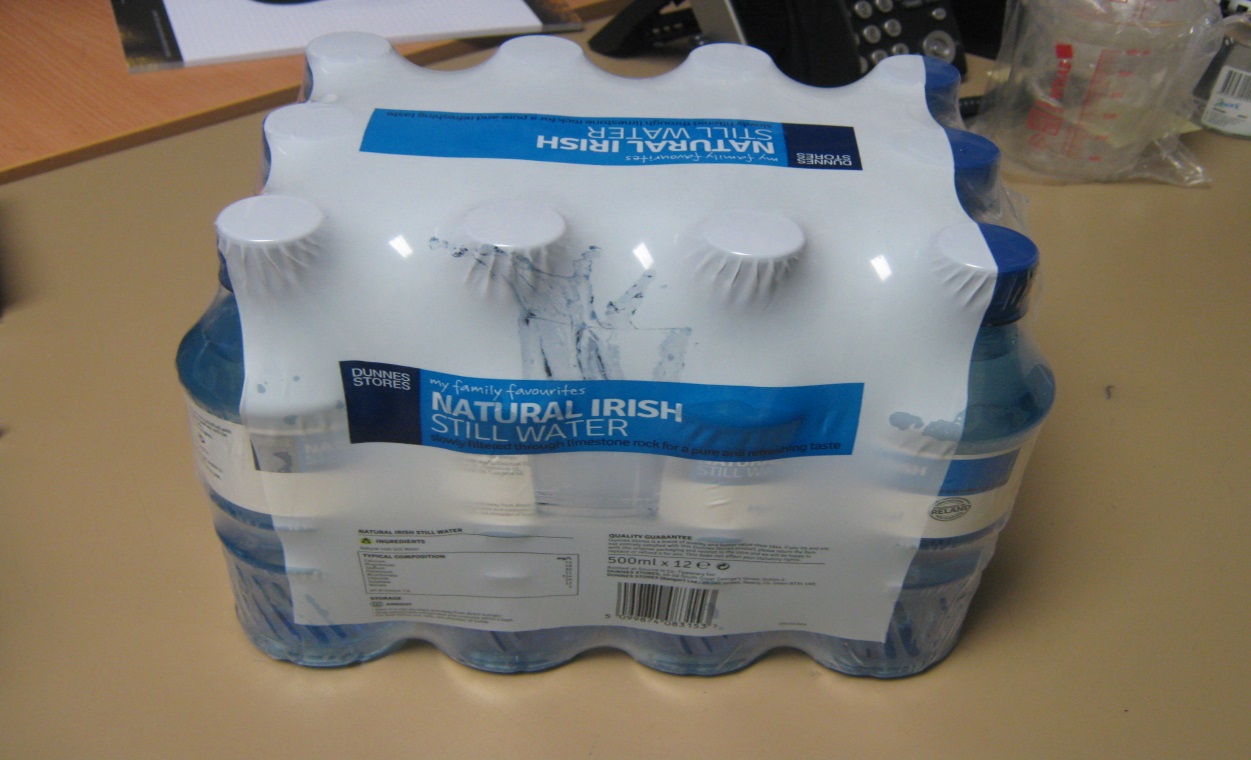
Ireland: Bottled Water Recall

Ireland Bottled Water Recall
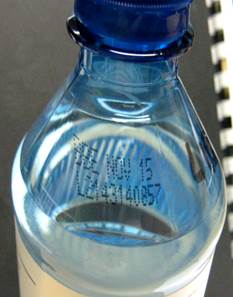
Dunnes Stores Recalls a Batch of Bottled Water Due to the Presence of Residues of Cleaning Fluid

Product:
Dunnes Stores 'my family favourites' Natural Irish Still Water; pack size: 12 x 500ml bottles (multi pack).
Batch Code:
L214314; best before end (BBE): Nov 15
Country Of Origin:
Ireland
Message:
Dunnes Stores is recalling one batch of its 'my family favourites' bottled water due to the presence of residues of cleaning fluid.  Point of sale notices are being displayed in stores.
Dunnes Stores Bottled Water
Dunnes Stores Water Multipack
Dunnes Stores Still Water

Tuesday, June 17, 2014

6/17/13 Health News: What does "natural" mean on food labels? ♦ Single Dose of Antibiotic Effective in Quelling MRSA ♦ Ebola Smashes Human Cells ♦ Ultraviolet Cleaning Reduces Superbugs

What does "natural" really mean on food labels?
Many consumers believe that "natural" products are better and healthier than others, but are often confused about what the label actually means. Now Consumer Reports is launching a campaign to ban the term, claiming it confuses and misleads shoppers. In a new survey of 1,000 people by the Consumer Reports National Research Center, nearly 60 percent of people said they … (continue reading)
Single Dose of Antibiotic Found Effective in Quelling MRSA

A single infusion of an antibiotic can clear serious bacterial skin infections — including methicillin-resistant Staphylococcus aureus, or MRSA — just as effectively as the 10-day regimen now used to treat patients, researchers reported. Many patients do not finish the complicated treatment for these infections, which requires two infusions of antibiotics daily, often in a hospital. Continue Reading
How Ebola Smashes Into Human Cells
Researchers at the University of Virginia School of Medicine have discovered how the deadly Ebola virus punches its way into the cytoplasm of cells. The finding identifies an important target for blocking the infection process of this incurable disease that many fear may be used for bioterror. After the virus is engulfed by the cell, it is contained within a vesicle where it can do no harm. But Ebola quickly escapes the vesicle, and now scientists understand how. Continue Reading
Ultraviolet Cleaning Reduces Hospital Superbugs

Healthcare-associated vancomycin-resistant enterococcus (VRE), methicillin-resistant Staphylococcus aureus (MRSA), Clostridium difficile (CD), and other multidrug-resistant organisms (MDRO) were decreased among patients after adding ultraviolet environmental disinfection (UVD) to the cleaning regimen, according to a study published in the American Journal of Infection Control,Continue Reading

Friday, January 3, 2014

1/3/14 Health News: Food Manufactures want to Label GMO's as Natural, Elderly Homes Week on Superbugs

GROCERY MANUFACTURERS WANT FOODS WITH GMOS TO BE LABELED AS ‘NATURAL’
There was a time when food was food. You ate it and were glad of it. What could be more “natural” than that? But that was back in earlier times when most food came either from your own farm or from stores that bought food from nearby farms. Fast forward to today, and food has... Continue Reading

Elderly Homes Weak Link in Battle Against Superbugs
Antibiotics that are the last line of defense against life-threatening germs spread commonly in hospitals are starting to lose power in Europe, the European Centre for Disease Prevention and Control said last month.  New findings are giving credence to the idea that superbugs, which resist the most powerful antibiotics, thrive just where the frailest people dwell: nursing homes. Continue Reading

Friday, November 22, 2013

Weight Loss Supplement Recalled Worldwide

Deseo Rebajar Inc., is voluntarily recalling lot #052012 of Adipotrim XT to the consumer level. The FDA laboratory analysis of this dietary supplement found to contain undeclared Fluoxetine. Flouxetine is an FDA approved drug in a class of drugs called selective serotonin reuptake inhibitors (SSRIs)  used for treating depression, bulimia, obsessive-compulsive disorder (OCD), panic disorder, and premenstrual dysphonic disorder (PMDD), making Adipotrim XT an unapproved drug.
Uses of SSRIs have been associated with serious side effects including suicidal thinking, abnormal bleeding, and seizures. In patients on other medications for common conditions (aspirin, ibuprofen, or other drugs for depression, anxiety, bipolar illness, blood clots, chemotherapy, heart conditions, and psychosis), ventricular arrhythmia or sudden death can occur. No illnesses or injuries have been reported to Deseo Rebajar Inc. to date in connection with the use of this product.
Adipotrim XT is marketed as a natural herb dietary supplement for weight loss.  The recalled products are packaged in 30-count plastic bottles labeled with lot number #052012
The product lot was sold directly to individual customers in our offices in Fajardo, Caguas and Bayamon Puerto Rico and in website www.deseorebajar.com. We sincerely regret any inconvenience to our customers.
Deseo Rebajar Inc. is notifying their distributors and customers by phone. Consumers/Distributors/Retailers that have the product being recalled should stop using and return the product immediately to the place of purchase.
Consumers with questions should contact Deseo Rebajar Inc. at 787.961.6464 or via email at sales@adipotrim.com Monday - Friday, 8:00 am - 5:00 pm, [GMT time zone]. Consumers should contact their physician or healthcare provider if they have experienced any problems that may be related to taking or using this drug product.
Adverse events that may be related to the use of this product may be reported to FDA's MedWatch Adverse Event Reporting program either online, by regular mail or by fax.

Tuesday, November 12, 2013

Licorice Used as Medicine. Is it Safe???

Licorice is a plant. You are probably most familiar with it as a flavoring in foods, beverages, and tobacco. The root is used to make medicine. Licorice is used for various digestive system complaints including stomach ulcers, heartburn, colic, and ongoing inflammation of the lining of the stomach (chronic gastritis).
Some people use licorice for sore throat, bronchitis, cough, and infections caused by bacteria or viruses. Licorice is also used for osteoarthritis, systemic lupus erythematosus (SLE), liver disorders, malaria, tuberculosis, food poisoning, and chronic fatigue syndrome (CFS).
Licorice is sometimes used along with the herbs Panax ginseng and Bupleurum falcatum to improve the function of the adrenal glands, especially in people who have taken steroid drugs long-term. Steroids tend to suppress the activity of the adrenal glands. The adrenal glands produce important hormones that regulate the body’s response to stress.
Licorice is also used in an herbal form called Shakuyaku-kanzo-to to increase fertility in women with a hormonal disorder called polycystic ovary syndrome. In combination with other herbs, licorice is also used to treat prostate cancer and the skin disorder known as eczema.
Some people use licorice as a shampoo to reduce oiliness in their hair.
Many “licorice” products manufactured in the U.S. actually don't contain any licorice. Instead, they contain anise oil, which has the characteristic smell and taste of “black licorice.”
Licorice interacts with many prescription medicines. Talk to your healthcare provider if you plan to start using licorice.
How effective is it?
Natural Medicines Comprehensive Database rates effectiveness based on scientific evidence according to the following scale: Effective, Likely Effective, Possibly Effective, Possibly Ineffective, Likely Ineffective, Ineffective, and Insufficient Evidence to Rate.
The effectiveness ratings for LICORICE are as follows:
Possibly effective for...
  • Heartburn (dyspepsia), when a combination of licorice and several other herbs is used. These other herbs are peppermint leaf, German chamomile, caraway, lemon balm, clown’s mustard plant, celandine, angelica, and milk thistle. The combination is packaged as a product called Iberogast or STW5. It was developed in 1961 in Germany. Research suggests that taking 1 mL orally three times daily over a period of 4 weeks significantly reduces severity of acid reflux and associated pain, cramping, nausea, and vomiting.
Insufficient evidence to rate effectiveness for...
  • Muscle cramps. Preliminary clinical research suggests taking a specific combination of licorice and peony (Shakuyaku-kanzo-to) might reduce muscle cramps in people with liver disease (hepatic cirrhosis) or in people undergoing treatment for kidney failure (hemodialysis).
  • Hepatitis. There is some evidence that some of the chemicals in licorice might be effective in treating hepatitis B and hepatitis C when given intravenously (by IV). But the studies involved too few patients to draw firm conclusions.
  • Stomach ulcers. There is some evidence that specially prepared licorice will speed the healing of stomach ulcers.
  • Weight loss. There is conflicting information about the use of licorice for weight loss. Licorice seems to reduce body fat. However, it causes water retention that can offset any change in body weight.
  • Atopic dermatitis (eczema). There is conflicting evidence about the effectiveness of licorice for treating eczema.
  • Arthritis.
  • Lupus.
  • Infections.
  • Infertility.
  • Cough.
  • Chronic fatigue syndrome (CFS).
  • Prostate cancer.
  • Other conditions.
More evidence is needed to rate the effectiveness of licorice for these uses.
The chemicals contained in licorice are thought to decrease swelling, thin mucus secretions, decrease cough, and increase the chemicals in our body that heal ulcers.

Are there safety concerns?
Licorice is LIKELY SAFE for most people when consumed in amounts found in foods. It is POSSIBLY SAFE when consumed in larger amounts use as medicine, short-term. However, it is POSSIBLY UNSAFE when used in large amounts for more than four weeks. Consuming 30 grams or more of licorice daily for several weeks can cause severe side effects including high blood pressure, low potassium in the blood, weakness, paralysis, and occasionally brain damage in otherwise healthy people. In people who eat a lot of salt or have heart disease, kidney disease, or high blood pressure, as little as 5 grams per day can cause these problems.
Other side effects of licorice use include tiredness, absence of a menstrual period in women, headache, water and sodium retention, and decreased sexual interest and function in men.
People who chew tobacco flavored with licorice might develop high blood pressure and other serious side effects.
Special precautions & warnings:
Pregnancy and breast-feeding: It is UNSAFE to take licorice by mouth if you are pregnant. It might cause a miscarriage or early delivery. Not enough is known about the safety of licorice during breast-feeding. Don’t use licorice if you are pregnant or breast-feeding.
High blood pressure: Licorice can raise blood pressure. Don’t consume large amounts of it if you have high blood pressure.
Heart disease: Licorice can cause the body to store water, and this can make congestive heart failure worse. Licorice can also increase the risk of irregular heartbeat. Don’t consume licorice if you have heart disease.
Hormone-sensitive conditions such as breast cancer, uterine cancer, ovarian cancer, endometriosis, or uterine fibroids: Licorice might act like estrogen in the body. If you have any condition that might be made worse by exposure to estrogen, don’t use licorice.
A muscle condition caused by nerve problems (hypertonia): Licorice can cause the level of potassium to drop in the blood. This can make hypertonia worse. Avoid licorice if you have hypertonia.
Low potassium levels in the blood (hypokalemia): Licorice can lower potassium in the blood. If your potassium is already low, licorice might make it too low. Don’t use licorice if you have this condition.
Sexual problems in men: Licorice can lower a man’s interest in sex and also worsen erectile dysfunction (ED) by lowering levels of a hormone called testosterone.
Kidney disease: Overuse of licorice could make kidney disease worse. Don’t use it.
Surgery: Licorice might interfere with blood pressure control during and after surgery. Stop taking licorice at least 2 weeks before a scheduled surgery.
Are there interactions with medications?
Major
Do not take this combination.
Warfarin (Coumadin)
Warfarin (Coumadin) is used to slow blood clotting. The body breaks down warfarin (Coumadin) to get rid of it. Licorice might increase the breakdown and decrease the effectiveness of warfarin (Coumadin). Decreasing the effectiveness of warfarin (Coumadin) might increase the risk of clotting. Be sure to have your blood checked regularly. The dose of your warfarin (Coumadin) might need to be changed.
Moderate
Be cautious with this combination.
Digoxin (Lanoxin)
Large amounts of licorice can decrease potassium levels in the body. Low potassium levels can increase the side effects of digoxin (Lanoxin).
Estrogens
Licorice seems to change hormone levels in the body. Taking licorice along with estrogen pills might decrease the effects of estrogen pills.
Some estrogen pills include conjugated equine estrogens (Premarin), ethinyl estradiol, estradiol, and others.
Ethacrynic acid (Edecrin)
Licorice can cause the body to get rid of potassium. Ethacrynic acid (Edecrin) can also cause the body to get rid of potassium. Taking licorice and ethacrynic acid (Edecrin) together might cause potassium to become too low.
Furosemide (Lasix)
Licorice can cause the body to get rid of potassium. Furosemide (Lasix) can also cause the body to get rid of potassium. Taking licorice and furosemide together might cause the potassium levels in your body to go too low.
Medications changed by the liver (Cytochrome P450 2B6 (CYP2B6) substrates)
Some medications are changed and broken down by the liver. Licorice might decrease how quickly the liver breaks down some medications. Taking licorice along with some medications that are broken down by the liver can increase the effects and side effects of some medications. Before taking licorice, talk to your healthcare provider if you take any medications that are changed by the liver.
Some of these medications changed by the liver include ketamine (Ketalar), phenobarbital, orphenadrine (Norflex), secobarbital (Seconal), dexamethasone (Decadron), and others.
Medications changed by the liver (Cytochrome P450 2C9 (CYP2C9) substrates)
Some medications are changed and broken down by the liver. Licorice might change how the liver breaks down some medications. Taking licorice along with medications that are broken down by the liver might increase or decrease the effects of these medications. Before taking licorice, talk to your healthcare provider if you are taking any medications that are changed by the liver.
Some medications changed by the liver include celecoxib (Celebrex), diclofenac (Voltaren), fluvastatin (Lescol), glipizide (Glucotrol), ibuprofen (Advil, Motrin), irbesartan (Avapro), losartan (Cozaar), phenytoin (Dilantin), piroxicam (Feldene), tamoxifen (Nolvadex), tolbutamide (Tolinase), torsemide (Demadex), and warfarin (Coumadin).
Medications changed by the liver (Cytochrome P450 3A4 (CYP3A4) substrates)
Some medications are changed and broken down by the liver. Licorice might change how the liver breaks down some medications. Taking licorice along with medications that are broken down by the liver might increase or decrease the effects of some medications. Before taking licorice, talk to your healthcare provider if you are taking any medications that are changed by the liver.
Some medications changed by the liver include lovastatin (Mevacor), ketoconazole (Nizoral), itraconazole (Sporanox), fexofenadine (Allegra), triazolam (Halcion), and many others.
Medications for high blood pressure (Antihypertensive drugs)
Large amounts of licorice seem to increase blood pressure. By increasing blood pressure, licorice might decrease the effectiveness of medications for high blood pressure.
Some medications for high blood pressure include captopril (Capoten), enalapril (Vasotec), losartan (Cozaar), valsartan (Diovan), diltiazem (Cardizem), amlodipine (Norvasc), Hydrochlorothiazide (HydroDIURIL), furosemide (Lasix), and many others.
Medications for inflammation (Corticosteroids)
Some medications for inflammation can decrease potassium in the body. Licorice might also decrease potassium in the body. Taking licorice along with some medications for inflammation might decrease potassium in the body too much.
Some medications for inflammation include dexamethasone (Decadron), hydrocortisone (Cortef), methylprednisolone (Medrol), prednisone (Deltasone), and others.
Water pills (Diuretic drugs)
Large amounts of licorice can decrease potassium levels in the body. "Water pills" can also decrease potassium in the body. Taking licorice along with "water pills" might decrease potassium in the body too much.
Some "water pills" that can deplete potassium include chlorothiazide (Diuril), chlorthalidone (Thalitone), furosemide (Lasix), hydrochlorothiazide (HCTZ, HydroDIURIL, Microzide), and others.
Are there interactions with herbs and supplements?
Herbs that affect the heart
Using too much licorice can decrease potassium in the body. This can damage the heart. Using licorice with herbs that can damage the heart might make this effect worse. Herbs that might damage the heart include digitalis, lily-of-the-valley, pheasant's eye, and squill.
Stimulant laxative herbs
Using too much licorice can decrease potassium in the body. Herbs that have a stimulant laxative effect can also lower potassium in the body. Using licorice along with these herbs can increase the risk of lowering potassium levels too much. Stimulant laxative herbs include aloe vera, alder buckthorn, European buckthorn, cascara sagrada, castor oil, rhubarb, and senna.
Are there interactions with foods?
Grapefruit juice
Drinking grapefruit juice when taking licorice might increase licorice's ability to cause potassium depletion.
Salt
Licorice use can increase sodium and water retention and increase blood pressure. Also, eating a lot of salt can make the side effects of licorice even worse.
What dose is used?
The following doses have been studied in scientific research:
BY MOUTH:
  • For upset stomach: A specific combination product containing licorice (Iberogast, Medical Futures, Inc) and several other herbs has been used in a dose of 1 mL three times daily.
Other names
Acide Glycyrrhizique, Acide Glycyrrhizinique, Alcacuz, Alcazuz, Bois Doux, Bois Sucré, Can Cao, Chinese Licorice, Deglycyrrhized Licorice, Gan Cao, Gan Zao, Glabra, Glycyrrhiza, Glycyrrhiza glabra, Glycyrrhiza glabra typica, Glycyrrhiza glabra violacea, Glycyrrhiza glabra glandulifera, Glycyrrhiza Radix, Glycyrrhiza uralensis, Glycyrrhizae, Glycyrrhizic Acid, Glycyrrhizinic Acid, Isoflavone, Jethi-Madh, Kanzo, Lakritze, Licorice Root, Liquiritiae Radix, Liquirizia, Mulathi, Mulethi, Orozuz, Phytoestrogen, Phyto-œstrogène, Racine de Réglisse, Racine Douce, Radix Glycyrrhizae, Régalissse, Regaliz, Reglisse, Réglisse, Réglisse Déglycyrrhisée, Réglisse Espagnole, Réglisse Russe, Regliz, Russian Licorice, Spanish Licorice, Subholz, Sussholz, Sweet Root, Yashtimadhu, Yashti-Madhu, Yashti-Madhuka, Zhi Gan Cao.
Source National Institute of Health