Showing posts with label Ebola. Show all posts

Monday, September 28, 2015

Health Research: Lower sperm motility in men exposed to common chemical ♦ Diabetes medication could be used to treat alcohol dependence ♦ Flu vaccine expected to be a 'good match

This year's flu vaccine expected to be a 'good match' Every year at this time, we hear it's time to get the flu shot. After last year's vaccine missed the mark, how does the Center for Disease Control regain the public's confidence that their predictions will hold up this year? With the facts.
Lower sperm motility in men exposed to common chemical Men with higher exposure to the substance DEHP, a so-called phthalate, have lower sperm motility and may therefore experience more difficulties conceiving children, according to a new study.
Diabetes medication could be used to treat alcohol dependence A medication used for diabetes and obesity also could be a valuable tool for the treatment of alcohol dependence, a new study on mice and rats shows.
Chip-based technology enables reliable direct detection of Ebola virus Chip-based technology has been enhanced to provide reliable detection of Ebola virus and other viral pathogens. The system uses direct optical detection of viral molecules and can be integrated into a simple, portable instrument for use in field situations where rapid, accurate detection of Ebola infections is needed to control outbreaks.
Rapidly assessing the next influenza pandemic Influenza pandemics are potentially the most serious natural catastrophes that affect the human population. New findings suggest that with both timely and accurate data and sophisticated numerical models, the likely impact of a new pandemic can be assessed quickly, and key decisions made about potential mitigation strategies.

Thursday, April 9, 2015

Health Research:Ebola vaccine effective in a single dose ♦ Insights for pain drug development ♦ Fountain of youth uncovered

Ebola vaccine effective in a single dose  Medical researchers have developed a quick-acting vaccine that is both safe and effective with a single dose against the Ebola strain that killed thousands of people in West Africa last year. During 2014, the outbreak of the West African Makona strain of Ebola Zaire virus killed nearly 10,000 and caused worldwide concern.
First look at 'wasabi receptor' brings insights for pain drug development  In a feat that would have been unachievable only a few years ago, researchers have pulled aside the curtain on a protein informally known as the 'wasabi receptor,' revealing at near-atomic resolution structures that could be targeted with anti-inflammatory pain drugs.
In first human study, new antibody therapy shows promise in suppressing HIV infection  In the first results to emerge from HIV patient trials of a new generation of so-called broadly neutralizing antibodies, researchers have found the experimental therapy can dramatically reduce the amount of virus present in a patient's blood.
Fountain of youth uncovered in mammary glands of mice, by breast cancer researchers The Fountain of Youth has been discovered, it was found in the mammary glands of genetically modified mice. A research team has found that when two factors that control tissue development are removed, you can avoid the impact of aging
Increase in inflammation linked to high traffic pollution for people on insulin  People on insulin living next to roads with heavy traffic had markedly increased concentration of C-reactive protein, a marker of inflammation, compared to those living in lower traffic areas, a two-year epidemiological study has found. Individuals taking oral diabetes medications did not experience increases in CRP concentration.

Sunday, April 5, 2015

Health Research: New class of insecticides offers safer ♦ Ebola virus diagnostic tool developed ♦ Possible progress against Parkinson's


A new class of chemical insecticides has been identified that could provide a safer, more selective means of controlling mosquitoes that transmit key infectious diseases such as dengue, yellow fever and elephantiasis
An emergency medicine physician who treated Ebola-infected patients in Liberia last year used his field experience to create a tool to determine the likelihood that patients presenting with Ebola symptoms will actually carry the virus. Ebola Virus Disease (EVD) has affected 24,000 persons during the current epidemic, which is the largest recorded outbreak of EVD in history.
Researchers have taken an important step toward using the implantation of stem cell-generated neurons as a treatment for Parkinson's disease. Using an FDA approved substance for treating cancer, they were able to grow dopamine-producing neurons derived from embryonic stem cells that remained healthy and functional for as long as 15 months after implantation into mice, restoring motor function without forming tumors
By engineering antibacterial enzymes, investigators are using novel strategies to target the prevalent drug-resistant bacterium Staphylococcus aureus. "Antibacterial enzymes, which kill via catalytic mechanisms, represent promising candidates in the fight against drug-resistant microbes," explained the lead researcher. "Staph infections in hospital settings are a serious problem that has gained widespread public attention, and there's an urgent need to address the threat of antibiotic resistance. Using molecular engineering, we are expanding the pool of antibacterial drug candidates and improving their performance."

Thursday, March 26, 2015

Ebola test vaccines appear safe in Phase 2 Liberian clinical trial

Two experimental Ebola vaccines appear to be safe based on evaluation in more than 600 people in Liberia who participated in the first stage of the Partnership for Research on Ebola Vaccines in Liberia (PREVAIL) Phase 2/3 clinical trial, according to interim findings from an independent Data and Safety Monitoring Board review. Based on these findings, the study, which is sponsored by the National Institute of Allergy and Infectious Diseases (NIAID), part of the National Institutes of Health, may now advance to Phase 3 testing.
“We are grateful to the Liberian people who volunteered for this important clinical trial and encouraged by the study results seen with the two investigational Ebola vaccine candidates,” said NIAID Director Anthony S. Fauci, M.D. “Now we must move forward to adapt and expand the study so that ultimately we can determine whether these experimental vaccines can protect against Ebola virus disease and therefore be used in future Ebola outbreaks.”
The PREVAIL trial, which began on Feb. 2, 2015 in Monrovia, Liberia, is testing the safety and efficacy of the cAd3-EBOZ candidate vaccine co-developed by NIAID scientists and GlaxoSmithKline, and the VSV-ZEBOV candidate vaccine developed by the Public Health Agency of Canada and licensed to NewLink Genetics Corporation and Merck. Volunteers are assigned at random to receive a single injection of the NIAID/GSK (cAd3-EBOZ) vaccine, the VSV-ZEBOV vaccine, or a placebo (saline) injection. The trial is also double-blinded, meaning that neither study subjects nor staff know whether a vaccine or placebo was administered. A randomized, double-blind, placebo-controlled trial is considered the “gold standard” in clinical research.
While the initial enrollment goal in the Phase 2 study has been met and the vaccines proven safe, the researchers are continuing Phase 2 study enrollment at Redemption Hospital in Monrovia, Liberia, through late April 2015. This would boost enrollment in the Phase 2 portion of the trial to approximately 1,500 people and would be done, in part, to increase the percentage of women (currently, about 16 percent) in the study for a more robust data set overall. The study follow-up period would be at least one year, and two additional blood samples would be obtained from all volunteers at six and 12 months post-vaccination to determine the durability of the immune responses. These proposed changes will be discussed with the U.S. Food and Drug Administration and are under review by the institutional review boards in Liberia and the United States.
Investigators planned to enroll 27,000 people in Liberia at risk of Ebola infection in the Phase 3 portion of the trial. However, there has been only one new confirmed case of Ebola infection in the country since Feb. 19, 2015. Given this decline in Ebola infection incidence, the trial leaders — H. Clifford Lane, M.D., NIAID deputy director for clinical research, and Liberian co-principal investigators Stephen Kennedy, M.D., and Fatorma Bolay, Ph.D. — have determined that it is scientifically appropriate to expand the trial to additional sites in other West African countries. Discussions are underway to explore that possibility.
The Liberia–U.S. research team also plans to launch a separate natural history study of Ebola survivors to better understand the after-effects of Ebola virus disease. Four sites in Monrovia, Liberia and locations in the United States may begin enrollment into this study in the coming months, pending regulatory review and approval. More information on this study will be provided when the trial launches.

Health News: No Ebola virus threat from legally imported African Foods ♦ Association between migraine & carpal tunnel ♦ Genetic attack against schistosomiasis + More

E.F.S.A.: No Ebola virus threat from legally imported African Foods  Raw foods that legally reach Europe, including plants, fruits, and vegetables, pose no risk of Ebola virus transmission, No human has ever been known to become infected with the Ebola virus from consumption of legally important foods into the European Continue Reading
Association between migraine, carpal tunnel syndrome found  Patients with carpal tunnel syndrome are more than twice as likely to have migraine headaches, reports a new study. Patients with carpal tunnel syndrome have symptoms such as hand numbness and weakness, resulting from pressure on the median nerve in the wrist Continue reading
Profound, debilitating fatigue found to be a major issue for autoimmune disease patients in new national survey  Fatigue is a major component of autoimmune disease research found. Fatigue described as "profound," "debilitating," and "preventing them from doing the simplest everyday tasks," is a major issue for autoimmune disease patients, impacting nearly every aspect of their lives Continue Reading
Genetic discovery may offer new avenue of attack against schistosomiasis  Researchers have discovered a group of genes in one species of snail that provide a natural resistance to the flatworm parasite that causes schistosomiasis, and opens the door to possible new drugs or ways to break the transmission cycle of this debilitating disease. It's been called a neglected global pandemic Continue Reading
Rapid testing for gene variants in kidney donors may optimize transplant outcomes
Kidney transplantation outcomes from deceased African-American donors may improve through rapid testing for apolipoprotein L1 gene renal risk variants at the time of organ recovery, according to a new study Continue Reading

Friday, December 12, 2014

Supporting Ebola Survivors

Survivors fight Ebola stigma, provide patient care; community reintegration key

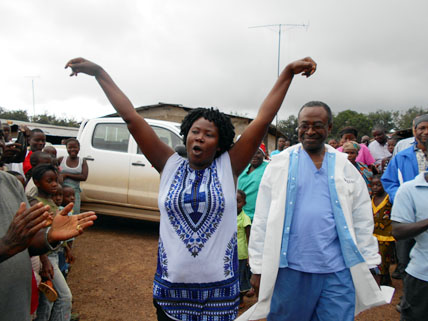
Ebola survivor, accompanied by medical director, being welcomed by her community - Firestone District, Liberia, 2014
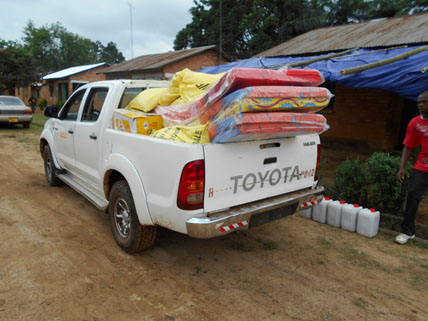
Truck transporting solidarity kits containing essential supplies for Ebola survivors returning home - Firestone District, Liberia, 2014
Ebola survivors, three orphans and their uncle, receiving Certificate of Medical Clearance as part of the Firestone Ebola Survivor Reintegration Program - Firestone District, Liberia, 2014
The case fatality rate in West Africa’s ongoing Ebola epidemic – estimates range from 60 percent to 70 percent of those hospitalized – hides a hopeful statistic:  the fact that many Ebola patients survive. There now are thousands of Ebola survivors.
In this epidemic as in past Ebola outbreaks, survivors often face stigma, income loss, and both grief and survivor guilt over the loss of family and friends. Many if not all of their possessions have been destroyed to prevent disease transmission. In some cases, families have been reluctant to accept orphaned children.
Two reports in the December 12 early release issue of CDC’s Morbidity and Mortality Weekly Report (MMWR) detail programs in Liberia and Sierra Leone to help Ebola survivors reintegrate with their communities and resume their lives. As survivors are thought to have some protective immunity to the strain of Ebola that sickened them, many survivors now work as caregivers for other Ebola patients.
“Nothing says more about the resilience of the human spirit than Ebola survivors who become role models for their communities,” said CDC Director Tom Frieden, M.D., M.P.H. “They show others that Ebola can be defeated and provide care, support, and inspiration for others stricken by this terrible disease.”
Support Services for Survivors of Ebola Virus Disease — Sierra Leone,
According to an August 2014 survey by the Sierra Leone Ministry of Health and Sanitation, CDC, and other partners, 96 percent of the general population reported at least some discriminatory attitude toward people with Ebola. This stigma discourages people from seeking Ebola testing and treatment and increases the already difficult task of contact tracing. It extends to Ebola survivors, who may be shunned by their communities.
CDC staff joined a consortium of members of the Sierra Leonean government, nongovernment organizations, and donor agencies to assess the needs of Ebola survivors. The group performed a study of three districts heavily affected by Ebola, convened a National Survivor Conference, conducted focus groups with survivors, and observed counseling sessions at a survivor wellness center.
The study found that survivors faced immediate and long-term concerns about physical and mental health, stigma, psychosocial issues including shame and survival guilt, reintegration needs, and financial needs. Despite these needs, survivors reported inadequate counseling, community reintegration, and material support.
Survivors showed great interest in contributing to the Ebola response through activities such as sharing their stories directly through radio and other broadcast media. They also expressed interest in participating in direct Ebola care and treatment support in and providing spiritual support to other Ebola patients to give them hope. Survivors said that supporting themselves with this work would help restore their own dignity.
The consortium now is coordinating financial and psychosocial support for survivors. This support includes a “survivor packet” that includes cash, bedding, clothing, and other essentials of daily living. Counselors will accompany survivors when returning to their home villages to facilitate reintegration, and trained counselors are speaking with local traditional authorities and other community members about the importance of survivor acceptance. Survivor support centers are being established at the district level, and plans are underway to integrate survivors into Ebola response activities.
Reintegration of Ebola Virus Disease Survivors into Their Communities — Firestone District, Liberia,
In August 2014, the Firestone District of Liberia, where Firestone Liberia Inc. provides health care to 80,000 residents, enrolled their first patient in a model Ebola survivor reintegration program. The program was designed to offer survivors psychosocial support as well as to lessen stigma, provide hope, and motivate community members to report suspect Ebola cases and to seek care early in the course of disease.
“Well-coordinated survivor reintegration programs help stop the spread of Ebola and heal communities,” Dr. Frieden said. “Businesses can follow Firestone’s excellent example and contribute to the effort to get to zero in this Ebola epidemic.”
From August through October, 2014, 22 patients with laboratory-confirmed Ebola recovered from their illness at the Firestone Ebola Treatment Unit (ETU). During the three days between their first negative Ebola test and a second test confirming that they were Ebola free, survivors were transferred to a recovery room in the ETU and given education and counseling.
Meanwhile, a reintegration team began preparing the survivors’ communities. The team met with the survivors’ neighbors and community leaders, emphasizing that survivors are no longer sick and are Ebola free. On the day of return, Firestone’s medical director, the ETU coordinator, and other medical staff traveled with the survivor to the community accompanied by the reintegration team, radio station personnel, and clergy. Community volunteers decorated the survivor’s home with traditional palm leaves to signify the festive occasion.
Each survivor received a “solidarity kit” including a new mattress, bedding, towels, an insecticide-treated mosquito net, soaps and toiletries, a 110-pound bag of rice, three gallons of cooking oil, toys (for children), clothing, and cash for food and personal necessities. After the reintegration ceremony, the physician-led Firestone medical team visited all survivors at home every week for three months, both for a clinical checkup and to provide social and psychological support.
No major reintegration problems have occurred to date. Reintegration ceremonies continue to be well-attended by dozens of community members, and the events have been celebratory rather than confrontational events.

Friday, November 28, 2014

Experimental Ebola vaccine appears safe and prompts immune response

Results from NIH Phase 1 clinical trial support accelerated development of candidate vaccine
An experimental vaccine to prevent Ebola virus disease was well-tolerated and produced immune system responses in all 20 healthy adults who received it in a phase 1 clinical trial conducted by researchers from the National Institutes of Health. The candidate vaccine, which was co-developed by the NIH’s National Institute of Allergy and Infectious Diseases (NIAID) and GlaxoSmithKline (GSK), was tested at the NIH Clinical Center in Bethesda, Maryland. The interim results are reported online in advance of print in the New England Journal of Medicine.
A 39-year-old woman, the first participant enrolled in VRC 207, receives a dose of the investigational NIAID/GSK Ebola vaccine at the NIH Clinical Center in Bethesda, Maryland. on Sept. 2, 2014.
“The unprecedented scale of the current Ebola outbreak in West Africa has intensified efforts to develop safe and effective vaccines, which may play a role in bringing this epidemic to an end and undoubtedly will be critically important in preventing future large outbreaks,” said NIAID Director Anthony S. Fauci, M.D. “Based on these positive results from the first human trial of this candidate vaccine, we are continuing our accelerated plan for larger trials to determine if the vaccine is efficacious in preventing Ebola infection.”
The candidate NIAID/GSK Ebola vaccine was developed collaboratively by scientists at the NIAID Vaccine Research Center (VRC) and at Okairos, a biotechnology company acquired by GSK. It contains segments of Ebola virus genetic material from two virus species, Sudan and Zaire. The Ebola virus genetic material is delivered by a carrier virus (chimpanzee-derived adenovirus 3 or cAd 3) that causes a common cold in chimpanzees but causes no illness in humans. The candidate vaccine does not contain Ebola virus and cannot cause Ebola virus disease.
The trial enrolled volunteers between the ages of 18 and 50. Ten volunteers received an intramuscular injection of vaccine at a lower dose and 10 received the same vaccine at a higher dose. At two weeks and four weeks following vaccination, the researchers tested the volunteers’ blood to determine if anti-Ebola antibodies were generated. All 20 volunteers developed such antibodies within four weeks of receiving the vaccine. Antibody levels were higher in those who received the higher dose vaccine.
The investigators also analyzed the research participants’ blood to learn whether the vaccine prompted production of immune system cells called T cells. A recent study by VRC scientist Nancy J. Sullivan, Ph.D., and colleagues showed that non-human primates inoculated with the candidate NIAID/GSK vaccine developed both antibody and T-cell responses, and that these were sufficient to protect vaccinated animals from disease when they were later exposed to high levels of Ebola virus.
The experimental NIAID/GSK vaccine did induce a T-cell response in many of the volunteers, including production of CD8 T cells, which may be an important part of immune protection against Ebola viruses. Four weeks after vaccination, CD8 T cells were detected in two volunteers who had received the lower dose vaccine and in seven of those who had received the higher dose.
“We know from previous studies in non-human primates that CD8 T cells played a crucial role in protecting animals that had been vaccinated with this NIAID/GSK vaccine and then exposed to otherwise lethal amounts of Ebola virus,” said Julie E. Ledgerwood, D.O., a VRC researcher and the trial’s principal investigator. “The size and quality of the CD8 T cell response we saw in this trial are similar to that observed in non-human primates vaccinated with the candidate vaccine.”
There were no serious adverse effects observed in any of the volunteers, although two people who received the higher dose vaccine did develop a briefly lasting fever within a day of vaccination.

Saturday, October 25, 2014

10/25/14 Health News: LAWSUIT FILED TO BLOCK APPROVAL OF ENLIST DUO HERBICIDE ♦ Soda Making You Age Faster ♦ Should Hospitals Withholding Care to Ebola Patients

ANOTHER LAWSUIT FILED TO BLOCK EPA APPROVAL OF ENLIST DUO HERBICIDE
The Center for Food Safety and Earthjustice filed a lawsuit on Wednesday against the U.S. Environmental Protection Agency (EPA) challenging the approval of Dow Chemical’s Enlist Duo herbicide, a blend of 2,4-D and glyphosate. The suit was filed in the U.S. Ninth Circuit Court of Appeals on behalf of Beyond Pesticides, Center for Biological Diversity, Center... Continue Reading
Your Afternoon Soda Could Be Making You Age Faster
If the threat of heart disease, diabetes, or obesity wasn’t enough to make you put down your afternoon cola, this might: A new study published in the American Journal of Public Health reports that drinking one sugary soda a day may speed up the rate at which your body ages. Continue Reading
U.S. Hospitals Weigh Withholding Care to Ebola Patients

The Ebola crisis is forcing the American healthcare system to consider the previously unthinkable: withholding some medical interventions because they are too dangerous to doctors and nurses and unlikely to help a patient. U.S. hospitals have over the years come under criticism for undertaking measures that prolong dying rather than improve patients… Continue Read

Friday, October 24, 2014

Positive Tests for Ebola in Volunteer International Aid Worker

Positive Tests for Ebola in Volunteer International Aid Worker
A hospitalized medical aid worker who volunteered in Guinea, one of the three West African nations experiencing an Ebola epidemic, and since returned to the United States has tested positive for Ebola according to the New York City Health Department laboratory, which is part of the Laboratory Response Network overseen by the Centers for Disease Control and Prevention. CDC has confirmed the test results in its Atlanta laboratory.
The patient has been notified of the confirmation test results and remains in isolation.
The healthcare worker had returned through JFK Airport on Oct. 17 and participated in the enhanced screening for all returning travelers from these countries. He went through multiple layers of screening and did not have a fever or other symptoms of illness. The patient reported a low-grade fever to local health officials for the first time yesterday. Yesterday, the patient was transported by a specially trained HAZ TAC unit wearing Personal Protective Equipment (PPE) to Bellevue. The New York City Health Department has interviewed the patient regarding close contacts and activities.
CDC is in close communications with the New York City Health Department and Bellevue Hospital, and is providing technical assistance and resources. Three members of CDC’s Ebola Response Team arrived in New York City last night.  Additional team members will be arriving today to New York City. This team is deployed when an Ebola case is identified in the United States, or when health officials have a very strong suspicion that a patient has Ebola pending lab results.
Ebola is spread through direct contact with bodily fluids of a sick person or exposure to objects such as needles that have been contaminated. The illness has an average 8-10 day incubation period (although it could be from 2 to 21 days). CDC recommends monitoring exposed people for symptoms a complete 21 days.

Thursday, October 23, 2014

Ebola Monitoring for Travelers From Liberia, Sierra Leone, or Guinea

The Centers for Disease Control and Prevention (CDC) announced that public health authorities will begin active post-arrival monitoring of travelers whose travel originates in Liberia, Sierra Leone, or Guinea.  These travelers are now arriving to the United States at one of five airports where entry screening is being conducted by Customs and Border Protection and CDC. 
Active post-arrival monitoring means that travelers without febrile illness or symptoms consistent with Ebola will be followed up daily by state and local health departments for 21 days from the date of their departure from West Africa.  
Six states (New York, Pennsylvania, Maryland, Virginia, New Jersey, and Georgia), where approximately 70% of incoming travelers are headed, have already taken steps to plan and implement active post-arrival monitoring which will begin on Monday, October 27.  Active post-arrival monitoring will begin in the remaining states in the days following.   CDC is providing assistance with active post-arrival monitoring to state and local health departments, including information on travelers arriving in their states, and upon request, technical support, consultation and funding.
Active post-arrival monitoring is an approach in which state and local health officials maintain daily contact with all travelers from the three affected countries for the entire 21 days following their last possible date of exposure to Ebola virus. Twenty-one days is the longest time it can take from the time a person is infected with Ebola until that person has symptoms of Ebola.
Specifically, state and local authorities will require travelers to report the following information daily:  their temperature and the presence or absence of other Ebola symptoms such as headache, joint and muscle aches, weakness, diarrhea, vomiting, stomach pain, lack of appetite, or abnormal bleeding; and their intent to travel in-state or out-of-state. In the event a traveler does not report in, state or local public health officials will take immediate steps to locate the individual to ensure that active monitoring continues on a daily basis.
In addition, travelers will receive a CARE (Check And Report Ebola) kit at the airport that contains a tracking log and pictorial description of symptoms, a thermometer, guidance for how to monitor with thermometer, a wallet card on who to contact if they have symptoms and that they can present to a health care provider, and a health advisory infographic on monitoring health for three weeks.
Active monitoring establishes daily contact between public health officials and travelers from the affected region. In the event a traveler begins to show symptoms, public health officials will implement an isolation and evaluation plan following appropriate protocols to limit exposure, and direct the individual to a local hospital that has been trained to receive potential Ebola patients.
Post arrival monitoring is an added safeguard that complements the existing exit screening protocols, which require all outbound passengers from the affected West African countries to be screened for fever, Ebola symptoms, and contact with Ebola and enhanced screening protocols at the five U.S. airports that will now receive all travelers from the affected countries. All three of t

NIH begins early human clinical trial of Ebola vaccine

Human testing of a second investigational Ebola vaccine candidate is under way at the National Institutes of Health’s Clinical Center in Bethesda, Maryland.
Researchers at the National Institute of Allergy and Infectious Diseases (NIAID) are conducting the early phase trial to evaluate the vaccine, called VSV-ZEBOV, for safety and its ability to generate an immune system response in healthy adults who are given two intramuscular doses, called a prime-boost strategy. The Walter Reed Army Institute of Research (WRAIR) is simultaneously testing the vaccine candidate as a single dose at its Clinical Trials Center in Silver Spring, Maryland.
“The need for a vaccine to protect against Ebola infection is urgent,” said NIAID Director Anthony S. Fauci, M.D. “NIH welcomes the opportunity to collaborate with the U.S. Department of Defense to conduct human clinical tests of another promising — and hopefully, successful — Ebola vaccine candidate.”
NIAID researchers include principal investigator Richard T. Davey, M.D., and co-investigator John Beigel, M.D., of NIAID’s Division of Intramural Research, Early human testing of another investigational Ebola vaccine co-developed by NIAID and GlaxoSmithKline (GSK) began in early September. Initial data on safety and immunogenicity (the capacity to generate an immune response) from clinical trials of the NIAID/GSK Ebola vaccine are expected by the end of 2014.
The VSV-ZEBOV vaccine candidate was developed by researchers at the Public Health Agency of Canada’s National Microbiology Laboratory. It has been licensed to NewLink Genetics Corp through its wholly owned subsidiary BioProtection Systems, both based in Ames, Iowa.
“Canada has long been a world leader in Ebola research and innovation. Scientists at Canada's National Microbiology Lab developed this Ebola vaccine, following years of hard work. We hope the clinical trial at the National Institutes of Health proves to be safe and effective, so that the Canadian Ebola vaccine can be used as a global resource to help save lives and end this complex outbreak in West Africa," said Canada’s Minister of Health Rona Ambrose.
VSV-Zebov is based in part on a genetically engineered version of vesicular stomatitis virus (VSV), which primarily affects rodents, cattle, swine and horses. Human VSV infections are rare and generally produce three to four days of mild illness. In the VSV-ZEBOV investigational vaccine, the gene for the outer protein of the vesicular stomatitis virus has been replaced with a segment of the gene for the outer protein of the Zaire Ebola virus species. The investigational VSV-ZEBOV vaccine cannot cause a vaccinated individual to become infected with Ebola.
The NIH Phase 1 clinical trial of the VSV-ZEBOV vaccine candidate will enroll 39 healthy adults aged 18 to 65 years. Participants will be randomly assigned to one of three groups with 13 participants each. In each group, 10 participants will receive the investigational VSV-ZEBOV vaccine; three will receive a placebo. Each of the three groups will receive a different, escalating dose of the investigational vaccine, with the first group enrolled receiving the lowest dose and the third group enrolled receiving the highest dose. Study participants will receive an injection of the VSV-ZEBOV vaccine or placebo at their first scheduled visit and again, at the same dosage level, 28 days later.
Enrollment at each dosing level is staggered, so interim safety assessments of vaccinated individuals can be conducted before moving to the next dosing level. All study participants will be seen and evaluated by clinical staff 11 times over one year.
While NIAID tests the VSV-ZEBOV vaccine candidate as a prime-boost strategy,  WRAIR is evaluating the investigational vaccine as a single injection. This is being done to evaluate in real time the safety profile of the investigational vaccine when provided at different dosages and compare the immune responses induced by one injection versus two injections. Initial safety and immune response data on the VSV-ZEBOV vaccine are expected by the end of 2014.
More information about the NIAID clinical trial of the investigational VSV-ZEBOV Ebola vaccine is available on the NIH Clinical Center website using the protocol number 15-I-0001.

Monday, September 29, 2014

Patient with exposure to Ebola has arrived safely at NIH Clinical Center in America

A patient with exposure to the Ebola virus in Sierra Leone has been transferred from an overseas location and admitted to the NIH Clinical Center for observation and to enroll in a clinical protocol. The patient arrived at the NIH Clinical Center on Sunday, September 28, at approximately 4 p.m. ET.
The patient is an American physician who was volunteering services in an Ebola treatment unit in Sierra Leone.
Out of an abundance of caution, the patient has been admitted to the NIH Clinical Center’s special clinical studies unit that is specifically designed to provide high-level isolation capabilities and is staffed by infectious diseases and critical care specialists. The unit staff is trained in strict infection control practices optimized to prevent spread of potentially transmissible agents such as Ebola.
No additional details about the patient are available at this time.
NIH is taking every precaution to ensure the safety of our patients, NIH staff, and the public. This situation presents minimal risk to any of them.
About the National Institutes of Health (NIH): NIH, the nation's medical research agency, includes 27 Institutes and Centers and is a component of the U.S. Department of Health and Human Services. NIH is the primary federal agency conducting and supporting basic, clinical, and translational medical research, and is investigating the causes, treatments, and cures for both common and rare diseases. For more information about NIH and its programs, visit www.nih.gov.

Thursday, August 28, 2014

NIH to Launch Human Safety Study of Ebola Vaccine

Trial is First in Series of Accelerated Safety Studies of Ebola Vaccines
Initial human testing of an investigational vaccine to prevent Ebola virus disease will begin next week by the National Institute of Allergy and Infectious Diseases (NIAID), part of the National Institutes of Health.
The early-stage trial will begin initial human testing of a vaccine co-developed by NIAID and GlaxoSmithKline (GSK) and will evaluate the experimental vaccine’s safety and ability to generate an immune system response in healthy adults. Testing will take place at the NIH Clinical Center in Bethesda, Maryland.
The study is the first of several Phase 1 clinical trials that will examine the investigational NIAID/GSK Ebola vaccine and an experimental Ebola vaccine developed by the Public Health Agency of Canada and licensed to NewLink Genetics Corp. The others are to launch in the fall. These trials are conducted in healthy adults who are not infected with Ebola virus to determine if the vaccine is safe and induces an adequate immune response.
In parallel, NIH has partnered with a British-based international consortium that includes the Wellcome Trust and Britain’s Medical Research Council and Department for International Development to test the NIAID/GSK vaccine candidate among healthy volunteers in the United Kingdom and in the West African countries of Gambia (after approval from the relevant authorities) and Mali.
Additionally, the U.S. Centers for Disease Control and Prevention has initiated discussions with Ministry of Health officials in Nigeria about the prospects for conducting a Phase 1 safety study of the vaccine among healthy adults in that country.
The pace of human safety testing for experimental Ebola vaccines has been expedited in response to the ongoing Ebola virus outbreak in West Africa. According to the World Health Organization (WHO), more than 1,400 suspected and confirmed deaths from Ebola infection have been reported in Guinea, Liberia, Nigeria, and Sierra Leone since the outbreak was first reported in March 2014.
“There is an urgent need for a protective Ebola vaccine, and it is important to establish that a vaccine is safe and spurs the immune system to react in a way necessary to protect against infection,” said NIAID Director Anthony S. Fauci, M.D. “The NIH is playing a key role in accelerating the development and testing of investigational Ebola vaccines.”
“Today we know the best way to prevent the spread of Ebola infection is through public health measures, including good infection control practices, isolation, contact tracing, quarantine, and provision of personal protective equipment,” added Dr. Fauci. “However, a vaccine will ultimately be an important tool in the prevention effort. The launch of Phase 1 Ebola vaccine studies is the first step in a long process.”
“Tried and true public health interventions, strong supportive medical care and the rapid testing of Ebola vaccines and antiviral treatments can help to reduce suffering now and in the future,” said CDC Director Thomas R. Frieden, M.D., M.P.H.
The investigational vaccine now entering Phase 1 trials was designed by Nancy J. Sullivan, Ph.D., chief of the Biodefense Research Section in NIAID’s Vaccine Research Center (VRC). She worked in collaboration with researchers at the VRC, the U.S. Army Medical Research Institute of Infectious Diseases, and Okairos, a Swiss-Italian biotechnology company acquired by GSK in 2013.
Phase 1 clinical trials are the first step in what is typically a multi-stage clinical trials process). During Phase 1 studies, researchers test an investigational vaccine in a small group of people to evaluate its safety and the immune response it provokes. Phase 2 clinical trials of investigational vaccines are designed to further assess safety and immune response in larger numbers of volunteers. Under certain circumstances, the vaccine’s ability to prevent infection or disease (called efficacy) can be determined in a Phase 2 trial. Phase 3 clinical trials are directed predominantly at determining efficacy.
The NIAID/GSK Ebola vaccine candidate is based on a type of chimpanzee cold virus, called chimp adenovirus type 3 (ChAd3). The adenovirus is used as a carrier, or vector, to deliver segments of genetic material derived from two Ebola virus species: Zaire Ebola and Sudan Ebola. Hence, this vaccine is referred to as a bivalent vaccine. The Zaire species of the virus is responsible for the current Ebola outbreak in West Africa.
The vaccine candidate delivers one part of Ebola’s genetic material to human cells, but the adenovirus vector does not replicate. Rather, the Ebola gene that it carries allows the cells of the vaccine recipient to express a single Ebola protein, and that protein prompts an immune response in the individual. It is important to know that the Ebola genetic material contained in the investigational vaccine cannot cause a vaccinated individual to become infected with Ebola.
“The experimental NIAID/GSK vaccine performed extremely well in protecting nonhuman primates from Ebola infection,” Dr. Fauci noted.
The candidate vaccine builds upon three earlier NIAID-developed investigational Ebola vaccines that began Phase 1 clinical trial testing in 2003.
“The knowledge gained from each of those trials has contributed to the development of the candidate vaccine we are now studying, as well as our improved understanding of human immune responses to investigational Ebola vaccines,” said John R. Mascola, M.D., director of NIAID’s Vaccine Research Center.
The Phase 1 clinical trial, called VRC 207, will be led by principal investigator Julie E. Ledgerwood, D.O., chief of the VRC’s clinical trials program, and will be conducted among 20 healthy adults ages 18 to 50 years. Participants will be divided into two groups of 10 participants each. One group will receive an intramuscular injection of the NIAID/GSK experimental vaccine. The second group will receive a single injection of the same vaccine but at a higher dose.
A number of safety features are built into the study’s design, including daily and weekly reviews of patient data by clinical staff and the study protocol team. Additionally, the trial features a staged enrollment plan that requires interim safety reviews after three participants have been vaccinated and have undergone three days of follow up before enrolling additional study participants into the group. Participants in both groups will be seen and evaluated by clinical staff nine times over a 48-week period.
Additional Phase 1 Tests of the NIAID/GSK Vaccine
As part of the VRC 207 trial, NIAID will also test a version of the NIAID/GSK vaccine that contains genetic material from only the Zaire Ebola species. Hence, this vaccine is referred to as a monovalent vaccine. This portion of the Phase 1 safety study, which will also involve 20 healthy adults, is expected to begin in October at the NIH Clinical Center and potentially another U.S. location. Dr. Ledgerwood will also lead that effort. The VRC 207 clinical trial is being conducted based on expedited review and approval by the U.S. Food and Drug Administration.
In parallel, NIH has partnered with an international consortium that includes the British-based Wellcome Trust, as well as Britain’s Medical Research Council and Department for International Development to test the same NIAID/GSK monovalent vaccine candidate. The vaccine candidate will be tested among 60 healthy volunteers at the University of Oxford in England and among 40 healthy volunteers in Mali by the University of Maryland School of Medicine Center for Vaccine Development and its Center for Vaccine Development in Mali (a joint enterprise of the University of Maryland School of Medicine and the Ministry of Health of Mali). Additionally, the vaccine candidate is expected to be tested among 40 healthy volunteers in Gambia after approval from the relevant authorities.
The Oxford trial is expected to launch in mid-September pending ethical and regulatory approval.
“Today’s announcement shows how private and public partners can pull together to quickly respond to this critical public health emergency. Developing a new vaccine is complex with no guarantees of success, and we are still in the early days for our Ebola vaccine candidate. But we are encouraged by progress so far and will do the best we can, along with WHO and our partners, to speed up development and explore ways in which the vaccine could contribute to this or future Ebola outbreaks,” said Dr. Moncef Slaoui, chairman of Global R&D and Vaccines at GSK.
Initial safety and immunogenicity data from the Phase 1 trials of the NIAID/GSK investigational Ebola vaccine are expected in late 2014.
Vesicular Stomatitis Virus (VSV) Ebola Vaccine Testing
The NIH will also collaborate with the U.S. Department of Defense in support of efforts by NewLink Genetics Corp., a biopharmaceutical company in Ames, Iowa, to conduct Phase 1 safety studies of the investigational recombinant vesicular stomatitis virus Ebola vaccine (called VSV-EBOV) developed by and licensed from the Public Health Agency of Canada. Those clinical trials are expected to begin in the fall at the Clinical Trials Center of Walter Reed Army Institute of Research in Silver Spring, Maryland.
For more information about these early-stage Ebola vaccine clinical trials, see Questions and Answers: Phase 1 Clinical Trials of NIAID/GSK Investigational Ebola Vaccine.

Saturday, August 16, 2014

8/16/14 Health News:PETITIONS URGE CONGRESSIONAL ACTION ON ANTIBIOTICS LEGISLATION ♦ Ebola Crisis Vastly Underestimated ♦ MECHANICALLY TENDERIZED BEEF

 IS MECHANICALLY TENDERIZED BEEF SAFE
Christopher Waldrop, director of the Food Policy Institute at the Consumer Federation of America, spoke with Food Safety News at the 2014 . The discussion covered the food safety risks associated with mechanically tenderized beef, as well as some of Waldrop’s concerns with the USDA’s new poultry... Continue Reading
Ebola Crisis Vastly Underestimated
The World Health Organization said its staff had seen evidence that the numbers of reported cases and deaths do not reflect the scale of the crisis. Continue Reading
PETITIONS URGE CONGRESSIONAL ACTION ON ANTIBIOTICS LEGISLATION
Like many other bills introduced in Congress in recent years, movement on the Preservation of Antibiotics for Medical Treatment Act (PAMTA) and the Preventing Antibiotic Resistance Act (PARA) has stagnated. Two weeks ago, Dr. Mark Hyman introduced a petition on Credo Mobilize to get Congress to pay attention to the two bills. As of Wednesday,... Continue Reading

Saturday, August 9, 2014

8/9/14 Health News; Why Trader Joe’s wine is so Cheap ♦ Ebola Outbreak a Global Health Emergency ♦ Wal-Mart food safety violations ♦ Poorly Packed Lunches Can Cause Food Poisoning

So THAT’s why Trader Joe’s wine is so Cheap
The basic gist of it all is that Two Buck Chuck is owned by Bronco Wines, which is owned by Fred Franzia, a trash-mouthed, unapologetic downright crude and shrewd business man who sees it as his mission to pretty much remove any shred of pretentiousness (and dare I say integrity and quality along with it) from the wine world. continue reading
WHO Declares Ebola Outbreak a Global Health Emergency
The World Health Organization (WHO) has declared the Ebola outbreak in West Africa to be a public health emergency of international concern.  A WHO committee of experts is calling for a coordinated international response to stop this deadly disease at its source and prevent it from spreading to other countries.  Continue Reading
Wal-Mart store under probe for food safety violations
People walk past a Wal-Mart sign in Rogers, Arkansas. — Reuters picSHANGHAI, Aug 9 — Chinese regulators are investigating a Wal-Mart store in the southern city of Shenzhen for food safety violations, the official Xinhua news service reported, based on videos it said were taken by a Wal-Mart employee at one branch. The US retail giant told Reuters that it had launched its own … continue reading
Poorly Packed Lunches Can Cause Food Poisoning
Each year, about one in six Americans suffers from foodborne illness, resulting in about 128,000 hospitalizations and 3,000 deaths, according to the U.S. Centers for Disease Control and Prevention. To protect you and your … continue reading